
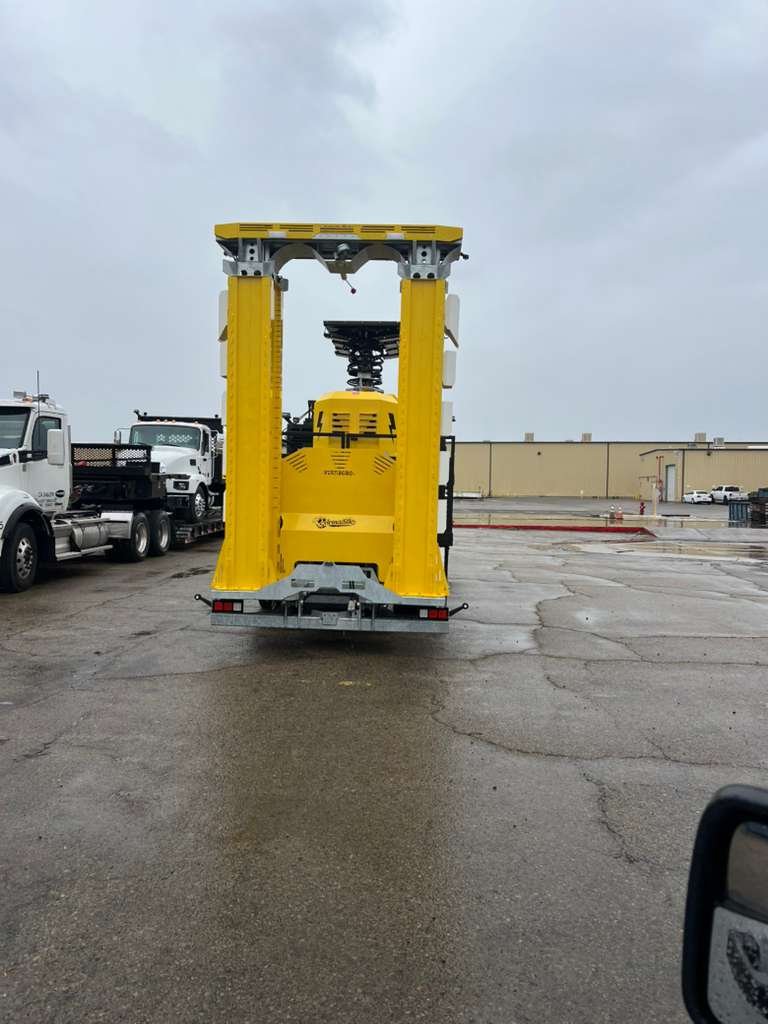
Work-zone vehicles do more than carry equipment. They protect crews, control traffic, and keep jobs moving when lane closures, rolling closures, and mobile operations leave little room for error. The right truck-mounted attenuator, support truck, and site equipment package can reduce confusion at the shoulder, improve visibility for approaching drivers, and make your fleet easier to deploy, repair, and store.
For buyers comparing TMA trucks, attenuator trucks, or a custom-built traffic control truck, the most useful question is not simply which model looks strongest. It is which setup fits your routes, your state or agency requirements, your operator skill level, your maintenance plan, and your budget over the full life of the asset. That includes the attenuator head, the host vehicle, the lighting package, message or arrow board, sign storage, backup camera, rear access, and the shop support needed when a unit is damaged or due for replacement.
Western Highways Traffic Safety Products supports contractors, public works teams, fleet managers, municipalities, and agencies from Fresno, California and a satellite facility in Justin, Texas, with West Coast and nationwide traffic safety equipment solutions. If you are weighing purchase, rental, leasing, or a custom truck build, the best starting point is a clear scope: where the truck will operate, what it must protect, and how quickly it needs to be back in service after impact or maintenance.
What to decide first
Before you compare brands or request quotes, lock down the operational need. A good specification is usually built around five items:
- How the truck will be used: stationary lane closure, moving shadow vehicle, night work, short-duration shoulder work, utility support, or municipal maintenance.
- What size vehicle you can run: class of truck, payload limits, wheelbase, upfit space, and whether your route demands a lighter or heavier host vehicle.
- What protective system is required: attenuator type, rear impact needs, and whether you need a dedicated TMA truck or a multi-purpose traffic control build.
- What visibility equipment is necessary: arrow board, changeable message sign, strobe package, reflective treatment, and camera coverage.
- How you will maintain it: in-house repairs, outside service support, replacement parts access, storage, and turnaround time after an event.
Those five points will do more to narrow the field than any brochure description.
Quick recommendation
If your crews are working on highways, arterials, or long-duration closures where rear-end exposure is a real concern, start with a TMA truck built around the duty cycle, not just the attenuator nameplate. If your operation changes often, a rental or lease may be better than a purchase. If your fleet handles multiple crew types or seasons, a custom truck build with adaptable storage and traffic control features may be the most efficient path.
When you are balancing availability, uptime, and budget, ask whether the unit needs to be ready for immediate deployment, stocked for recurring work, or configured for a specific project spec. That answer should drive the host vehicle, TMA selection, sign storage, and communications package.
Comparing common TMA and attenuator options
Different attenuator families serve different operating styles. Buyers often compare Scorpion, Blade, Metro TMA, TMA Pro, and TMA Max solutions, but the useful comparison is how each one fits the job, not which name is most familiar. Always confirm current project specifications and manufacturer documentation before committing to a unit.
| Decision point | What to look for | Why it matters |
|---|---|---|
| Attenuator type | Scorpion TMA, Blade TMA, Metro TMA, TMA Pro, TMA Max, or another approved configuration | Different models suit different vehicle platforms, repair needs, and deployment styles |
| Host vehicle | Wheelbase, GVWR, rear axle capacity, visibility, and cab equipment | The wrong truck can create handling, storage, or payload issues |
| Work-zone role | Shadow vehicle, stationary protection, lane closure support, maintenance of traffic | The role affects board placement, lighting, and access to tools or cones |
| Repair strategy | Replaceable modules, body damage exposure, local service support, parts availability | Post-impact downtime can be more expensive than the original purchase difference |
| Deployment speed | Ease of setup, pickup, transfer between projects, and storage footprint | A unit that takes too long to stage can slow the whole crew |
What buyers should inspect before purchase or lease
A traffic safety truck should be inspected like a working asset, not a parked vehicle. Ask to review the truck and the upfit together.
Inspect the host vehicle
- Frame condition, suspension, brake system, tires, and tire age
- GVWR and remaining payload after upfit and carried tools
- Cab condition, visibility, camera coverage, seat belts, and warning controls
- Electrical capacity for lights, boards, chargers, and accessories
- Maintenance records, repair history, and prior use pattern
Inspect the attenuator and mount
- Visible damage, corrosion, cracked structure, or incomplete repairs
- Mounting hardware, alignment, lock pins, and secure stow positions
- Impact history and any documentation tied to repairs or replacement
- Compatibility with the vehicle class and intended use
- Clear operating instructions for the crew who will drive and stage it
Inspect the work-zone equipment package
- Arrow board function, brightness, and mounting location
- Message board visibility, control access, and power reliability
- Traffic sign storage racks, cone storage, and restraint method
- Backup cameras, mirrors, and rear-facing warning lights
- Fleet storage considerations for parking, washing, and winter or summer exposure
If the truck will live outdoors, spend extra time on corrosion, wiring condition, and how quickly the crew can inspect it at shift start. A clean body with poor cables or a loose mount can still become a liability.
Where arrow boards and message boards fit into the decision
Some teams assume the attenuator is the whole story, but the visibility package often determines whether a unit is genuinely useful. An arrow board works well for clear directional guidance. A message board is better when drivers need lane closure details, speed reminders, shoulder warnings, or more context on a longer corridor.
For buyers comparing arrow and message board options for traffic safety, the key is to match the board to the lane setup, not to treat it as a generic add-on. On some projects, a highly visible arrow board is the faster operational choice. On others, especially when work shifts or detours change, a changeable message sign is the smarter communication tool.
If visibility is a recurring issue, it is worth reviewing the guidance in the company’s resource on board visibility and placement before you specify a truck build.
Rental, lease, or purchase?
This is often the biggest budget question. The right answer depends on how often the truck is in service and how predictable the work is.
| Option | Best when | Tradeoff |
|---|---|---|
| Rental | Project work, surge demand, emergency response, or short-term coverage | Lower long-term control over configuration and availability |
| Lease | You need dependable access without full ownership commitment | You still need to manage condition, usage, and return standards |
| Purchase | High utilization, repeat deployments, and long-term fleet planning | More capital tied up, plus maintenance and storage responsibility |
| Custom build | Special tools, unique storage, regional requirements, or multi-role crews | More planning up front, but usually the best workflow fit |
For many contractors and municipalities, the most practical decision is to lease or rent while a permanent fleet strategy is being finalized. That approach helps you see whether the truck is truly a good fit for your routes, operators, and project mix before committing to ownership.
Common mistakes that create expensive downtime
- Buying the wrong host truck: The attenuator is only as effective as the truck carrying it.
- Ignoring the work-zone role: A shadow vehicle and a lane-closure support truck do not need the same configuration.
- Underestimating storage needs: Poor sign storage or fleet storage can slow daily deployment and create damage.
- Skipping repair planning: Impact exposure means the unit should be easy to inspect, repair, and return to service.
- Overloading the build: Too many accessories can reduce payload and complicate maintenance.
- Failing to document use requirements: Project specs, local agency rules, and manufacturer instructions should be checked before delivery.
Avoiding these mistakes matters as much as the brand chosen. A unit with the wrong body, poor storage, or weak service support can cost more in labor and downtime than a better-planned build.
Fleet planning for contractors and agencies
Fleet managers and procurement teams should think in terms of utilization bands. One truck may be a daily highway shadow vehicle, another may support municipal maintenance crews, and a third may be staged for emergency or seasonal work. Each role has different requirements for board size, storage, camera systems, and wear.
If you are standardizing, try to build around repeatable parts and training. Common controls, familiar mounts, and shared storage layouts make it easier for operators to switch trucks safely. The same logic applies to service. If your fleet can be supported efficiently through a central service center or a regional partner, you reduce time spent moving assets around the state.
Western Highways supports traffic safety buyers across the West Coast and nationwide, with operations tied to Fresno and a satellite facility in Justin, Texas. For some buyers, that geography matters because it supports practical pickup, delivery coordination, and multi-state fleet needs without forcing a one-size-fits-all solution.
Maintenance and service support should be part of the purchase decision
Attenuator trucks are working equipment. If they sit idle because of a damaged rear frame, wiring issue, or broken mount, the purchase decision was incomplete.
Before you commit, ask:
- What can be serviced in-house and what needs outside repair?
- How easy is it to get replacement parts for the attenuator and truck body?
- How is damage documented after a hit?
- What does the turnaround process look like for emergency repairs?
- Can the supplier help with inspection, replacement planning, and upfit changes?
If you already have equipment out of service, a resource like 24/7 repair support for TMA trucks may help you think through the urgency of getting a unit back in the field. Buyers planning ahead can also review practical ways to avoid fleet downtime before the next project cycle starts.
Sign storage, rack systems, and fleet organization
Good traffic safety trucks are organized trucks. When signs, cones, and boards are stacked loosely, crews spend more time loading and more time dealing with damaged gear. That is why sign storage racks, fleet storage systems, and cargo layout deserve as much attention as the attenuator itself.
For some operations, a rack system such as 3s swing racks helps keep gear accessible without wasting space. Others may prefer a different rack profile or a larger custom storage package depending on the number of signs, cones, and support tools carried each day.
When comparing storage systems, ask whether the layout supports:
- Fast unloading without climbing into unsafe positions
- Proper restraint during travel
- Easy inspection for damage or missing items
- Room for daily-use equipment and seasonal additions
Questions to ask before you sign off on a build
- What exact work-zone roles will this truck perform over the next three years?
- Which attenuator family best fits the host vehicle and duty cycle?
- What evidence or documentation do we need from the manufacturer, seller, or project spec?
- How will we store signs, cones, tools, and paperwork without overcrowding the truck?
- Who services the unit if the attenuator is damaged or the truck needs repair?
- Should we rent first, lease, or buy outright based on utilization?
- Do we need a custom truck bed or custom traffic control truck package for our actual workflow?
Regional considerations: California, Texas, and beyond
Regional work affects equipment planning. West Coast contractors may need a different logistics setup than teams working across Texas or multiple states. Road networks, weather exposure, storage space, and pickup or delivery routes all affect how quickly a unit can be put into service.
For California buyers, projects around Fresno, Selma, Bridgeport, and surrounding areas often demand practical readiness and strong service coordination. For Texas buyers, large corridors and long travel distances make uptime and support equally important. For national fleets, consistency across branches matters even more. A unit that is easy to train on, repair, and stage in one location is usually easier to scale later.
How to evaluate a used TMA truck
Used equipment can be a smart buy if the unit has clear history and remains aligned with your operational needs. The safest approach is to compare condition, documentation, and compatibility rather than chasing the lowest price.
Look closely at structural damage, previous repairs, corrosion, mounting wear, and whether the attenuator configuration still meets your current job requirements. If you want a more detailed framework, the guide on used TMA truck evaluation is a useful companion resource.
Also confirm whether the truck can still support the visibility and storage package your crew needs. A used attenuator with a poor board setup or broken storage can be a false economy.
Useful comparison checklist for procurement teams
| Item | Pass / Needs Review | Notes |
|---|---|---|
| Truck class and payload margin | Confirm after upfit weight is calculated | |
| Attenuator model and documentation | Verify against project specs and manufacturer data | |
| Arrow board or message board visibility | Check brightness, mounting, and power access | |
| Sign storage and cargo restraint | Look for safe access and secure travel | |
| Camera and warning light package | Confirm cab view and rear awareness | |
| Service support and repair path | Identify who handles downtime and parts | |
| Rental, lease, or purchase option | Match the option to utilization and budget | |
| Pickup, delivery, and storage plan | Confirm logistics before the truck arrives |
Best-fit summary
The right TMA truck is the one that fits the job, the operator, and the maintenance plan. For some buyers, that means a Scorpion or Blade TMA solution on a purpose-built host vehicle. For others, it means a Metro TMA, TMA Pro, or TMA Max style configuration paired with the right boards, rack systems, and service arrangement. The details matter: how the truck is stored, how fast it can be deployed, and how quickly it can return to service after damage or routine maintenance.
Western Highways Traffic Safety Products can help you compare attenuator trucks, rentals, leasing, purchase options, custom truck builds, arrow boards, message boards, and storage solutions with a practical focus on work-zone safety and fleet uptime. If you are not sure where to begin, call (559) 394-7762 and have your truck class, job type, board needs, storage requirements, and timeline ready. That will make it much easier to narrow the right solution fast.
Call Western Highways Traffic Safety Products at (559) 394-7762 for help choosing the right TMA truck, attenuator, sign storage, arrow board, message board, rental, leasing, purchase, or custom truck solution.
