
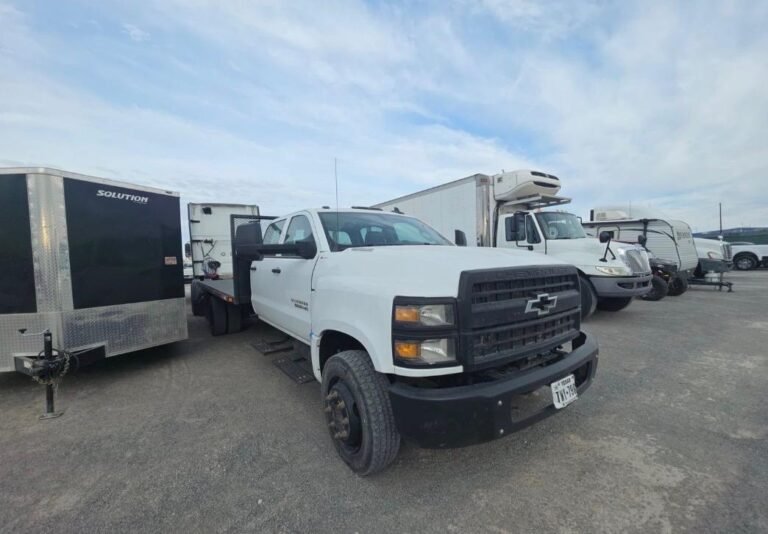
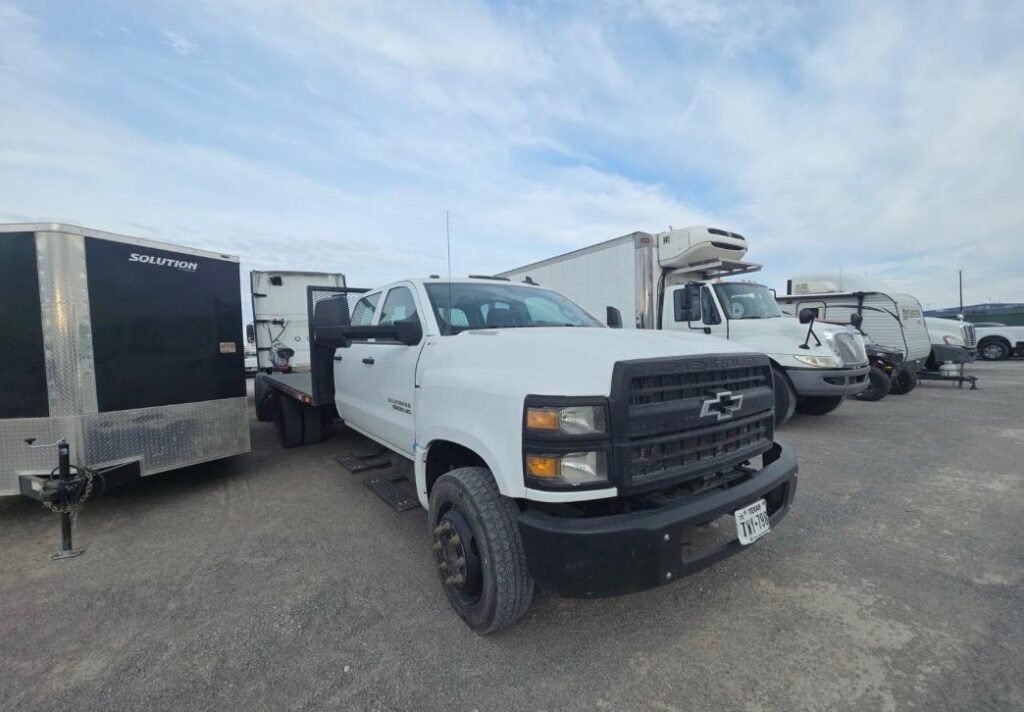
Choosing a traffic control truck is really a job-matching exercise. A lane-closure pickup with cones and a message board can be the right answer for utility work or short-duration city projects, while a heavier TMA truck with a truck-mounted attenuator belongs on freeway shoulder work, mobile operations, and higher-exposure setups. The wrong truck can slow your crew down, create storage problems, or leave you with an under-equipped vehicle that does not fit the way your team actually works.
For buyers managing crews, fleets, or public agency assets, the decision usually comes down to three things: how the truck will be used, what safety equipment must ride on it, and whether the vehicle should be purchased, leased, or rented. Western Highways Traffic Safety Products works with contractors and agencies across California, the West Coast, Texas, and nationwide to supply TMA trucks, attenuator solutions, arrow boards, message boards, custom truck builds, sign storage, and practical fleet support.
Use this guide to compare traffic control trucks, traffic control pickup truck setups, traffic control truck beds, and the equipment that makes the vehicle useful from day one.
What to decide first
Before looking at traffic control trucks for sale, define the actual operating profile. That one step prevents most bad purchases. A truck that works well for a county road crew may be a poor fit for a contractor doing freeway maintenance or a city team running alternating lane closures.
- Job type: stationary lane closure, mobile operation, flagging support, shoulder work, or utility response.
- Exposure level: low-speed city streets versus higher-speed highway or freeway work.
- Cab and chassis class: half-ton, three-quarter-ton, one-ton, medium duty, or heavier platform.
- Mounted equipment: truck-mounted attenuator, cone storage, arrow board, message board, sign racks, tool storage, or all of the above.
- Ownership model: purchase, rental, lease, or custom build.
- Service model: who handles repairs, parts, inspections, and uptime when the truck is off route.
If those details are not clear, the search for a traffic control truck for sale becomes a guessing game. Start with the work, then choose the vehicle.
Quick recommendation
If the truck will spend time near live traffic, prioritize safety equipment and chassis compatibility before cosmetic condition or extra storage. If the vehicle is mainly for short-duration municipal work or utility marking, a traffic control pickup truck with a well-planned bed package may be more efficient than a larger build. If the truck will protect workers on freeway shoulders or moving lane closures, a proper TMA truck and a truck-mounted attenuator should be part of the discussion from the start.
When in doubt, ask for a build that matches the route, the cones, the signs, the board, and the crew—not just the chassis.
How traffic control vehicles are commonly used
Traffic control trucks take different forms depending on the job. Buyers often use the same search terms for very different vehicles, which is why the details matter.
Traffic control pickup truck
A pickup-based setup is often used for local road crews, striping support, utility crews, and smaller work zones. The advantage is maneuverability, lower operating cost, and simpler parking. The tradeoff is limited payload and less room for equipment unless the bed is configured carefully.
Traffic control cone truck
A cone truck is typically organized around fast deployment and retrieval of cones, drums, and smaller field tools. This kind of layout matters when crews need to set and clear work zones repeatedly in a day. Good cone storage reduces handling time and helps keep the bed from becoming cluttered.
Traffic control truck with message board
For projects with changing conditions, a message board traffic control setup helps communicate lane shifts, closures, delays, and detours. Message board traffic control is especially useful where crews need to warn drivers in advance and adjust messaging throughout the shift.
TMA truck or attenuator truck
For higher-risk work, the vehicle may need a truck-mounted attenuator. TMA trucks are selected to help provide impact protection in live traffic environments. The right attenuator depends on the work zone, the chassis, the bed layout, and the applicable project requirements. Buyers should confirm the configuration against current agency specifications and manufacturer guidance.
What a solid traffic control truck setup usually includes
A dependable traffic control truck setup is built around accessibility and safe storage. Equipment that is hard to reach or difficult to secure usually slows down the crew and creates avoidable risks.
- Truck-mounted attenuator: when the work zone demands rear-end impact protection.
- Arrow board: for channelization, lane shifts, and clear directional guidance.
- Message board: for advance warnings and project-specific messaging.
- Traffic sign storage racks: for organized sign transport and faster setup.
- Cone storage: for quick deployment and easier end-of-shift pickup.
- Tool and fleet storage: for radios, PPE, stops, marking tools, and small parts.
- Backup cameras and visibility aids: useful for maneuvering in yards, depots, and tight work zones.
Western Highways supports practical packages like arrow boards, message boards, custom truck beds, and storage solutions so the vehicle works as a tool, not just a transport asset. For buyers thinking through bed layout and access, the company’s custom truck bed guidance for traffic control operations is a useful starting point.
Comparing the main options
| Option | Best fit | Strengths | Watch-outs |
|---|---|---|---|
| Traffic control pickup truck | Local crews, municipal support, utility response | Easy to drive, lower operating cost, flexible in town | Limited payload and storage if the bed is not planned well |
| Traffic control cone truck | Frequent cone deployment and retrieval | Fast setup, better organization, less manual handling | Needs disciplined storage design to avoid clutter |
| TMA truck | Shoulder work, freeway jobs, higher exposure zones | Rear-end protection, better fit for live traffic environments | Must match chassis, attenuator, and operational requirements |
| Traffic control truck with boards | Projects with changing traffic patterns | Clear advance warning and lane guidance | Boards add weight, power needs, and maintenance points |
| Custom traffic control truck | Teams with specific workflows and storage needs | Tailored layout, better uptime, less retrofit work | Requires more planning up front |
How to inspect traffic control trucks for sale
Whether you are reviewing traffic control trucks for sale locally or comparing traffic control vehicles for sale across states, inspect the truck as a work asset, not just a chassis. A clean exterior can hide a poor layout, and a low-mileage truck can still be a bad fit if the equipment package is wrong.
- Check chassis condition. Review brakes, tires, suspension, frame condition, fluid leaks, electrical health, and service records.
- Inspect the bed structure. Look for cracks, corrosion, loose hardware, damaged tie points, and poor welds.
- Confirm equipment mounting. Attenuators, boards, racks, and sign carriers must be securely mounted and compatible with the vehicle.
- Test power and controls. Verify board lift, lights, battery charging, wiring, and switch operation.
- Review storage access. Crews should be able to reach cones, signs, and tools without unsafe climbing or awkward lifting.
- Ask for documentation. Keep records for maintenance, repair history, equipment serials, and any required manufacturer or agency paperwork.
- Verify project fit. Make sure the truck matches your route type, speed environment, and agency or DOT expectations.
If the truck is being considered for a freeway-facing role, use a more rigorous evaluation. Western Highways’ used TMA truck evaluation guide and compliance review discussion are good references before you commit.
The questions procurement teams should ask
Buyers often focus on purchase price and miss the operating questions that affect total value. Use these questions when comparing traffic control trucks or traffic control vehicles for sale:
- What exact job will this truck handle most often?
- Does the setup require a TMA, or is it mainly a traffic control pickup truck?
- How much cone, sign, and tool storage do crews actually need per shift?
- Can the bed and rack layout support safe loading without wasted motion?
- Will the truck need arrow boards, message boards, or both?
- Is the vehicle expected to move between city streets, highways, and freeway shoulders?
- Who will perform repairs, inspections, and attenuator service?
- Is the right answer to buy, lease, or rent based on project duration and cash flow?
For buyers still mapping out the build, Western Highways also offers guidance on custom traffic control trucks and custom traffic safety truck builds.
Rental, leasing, or purchase?
There is no single best ownership model. The right answer depends on duration, utilization, and maintenance capacity.
Rental
Best for short projects, emergency coverage, seasonal demand, or temporary bid work. Rentals can reduce upfront commitment and help teams cover spikes in demand. The tradeoff is less control over exact configuration.
Leasing
Useful when a fleet needs predictable payments and regular equipment turnover. Leasing can be attractive for agencies and contractors who want newer trucks without tying up as much capital.
Purchase
Best when the truck will be used heavily and you want to specify the exact layout. Purchase makes sense when the truck becomes a core fleet asset and downtime can be managed through local service support.
Many buyers compare traffic control trucks for sale against rental and leasing options before deciding. If the project calendar is uncertain, start with the duration of use. If the truck will be in service day after day, ownership often makes more sense.
What to know about beds, racks, and storage
Traffic control truck beds are not just a place to put equipment. They determine how fast the crew can work and how safely the truck can be loaded and cleared. A poor bed layout creates wasted motion, lost tools, and clutter that can become a hazard during transport.
Ask whether the bed should include:
- Dedicated cone storage
- Sign panels and sign rack locations
- Staging for arrow boards or message boards
- Compartments for PPE and smaller tools
- Easy access without climbing over loose equipment
For organized rack systems, many buyers review options such as 3s swing racks or other rack solutions that help make storage faster and more secure. For highway crews carrying frequent sign loads, a purpose-built rack package can reduce damage and save time each shift.
Where TMA selection matters most
TMA selection is a safety decision first and an equipment decision second. If the truck will be exposed to moving traffic, the attenuator package, bed configuration, and chassis all need to work together.
Western Highways supplies truck-mounted attenuators and supports practical conversations around Scorpion and Blade TMA solutions, along with related options such as Metro TMA, TMA Pro, and TMA Max. The right choice depends on the vehicle class, use case, and work-zone conditions. Buyers should confirm the current fit with the manufacturer and review project specs before ordering or redeploying equipment.
For teams in Texas, the company also publishes useful notes on deploying TMAs on Texas freeways and common Blade TMA repair issues.
How to save money on traffic control products without cutting corners
Saving money on traffic control products is usually about reducing rework, downtime, and mismatched equipment. Cheap gear that fails the job costs more in the field than a smarter initial purchase.
- Buy for the work you actually do. Overspecifying a truck creates unnecessary cost; underspecifying it creates safety and productivity problems.
- Use a custom bed only where it pays off. A tailored layout can reduce labor time and reduce the need for add-on equipment later.
- Compare rental versus purchase by project length. Short-term work often favors rental; steady utilization may justify purchase.
- Standardize where you can. Common board types, racks, and replacement parts simplify maintenance.
- Plan service access early. A truck that is easy to repair stays in service longer.
For more ideas on reducing waste in fleet planning, see how to avoid fleet downtime and 24/7 equipment repair support for TMA trucks.
Common mistakes buyers make
- Buying the chassis first and the job second. That usually leads to storage problems or underused equipment.
- Ignoring payload after adding boards and attenuators. Weight changes everything, including braking, handling, and usable cargo room.
- Choosing a board or attenuator without considering serviceability. A hard-to-service truck can spend too much time parked.
- Skipping a full inspection of bed hardware. Loose mounts and worn hardware become recurring problems.
- Assuming one truck can fit every lane-closure scenario. Many fleets need more than one configuration.
Where Western Highways fits in the buying process
Buyers working from Fresno, Selma, Bridgeport, or anywhere on the West Coast often need more than a quote. They need help deciding what to build, what to rent, what to lease, and what to service next. Western Highways Traffic Safety Products supports those decisions with inventory, custom builds, rentals, leasing, purchase options, and repair support focused on truck-mounted attenuators, traffic control message boards, arrow boards, sign storage, and fleet storage solutions.
If the right answer is a new build, the team can help evaluate truck traffic control layouts, traffic control truck beds, and the mix of equipment that will keep the vehicle productive. If the right answer is a repair or retrofit, a service-first conversation can keep the fleet moving instead of replacing equipment too early.
For company background and service scope, visit the About Us page. For ongoing support and product updates, the blogs and events pages can also be helpful.
Field checklist before you order or commit
| Check | Why it matters |
|---|---|
| Job profile | Determines whether you need a pickup, cone truck, TMA truck, or custom build |
| Traffic exposure | Affects attenuator, board, and visibility requirements |
| Storage layout | Controls loading speed, safety, and daily usability |
| Power and electrical needs | Impacts board operation and system reliability |
| Maintenance access | Reduces downtime and service cost |
| Ownership model | Helps match cash flow to project duration |
| Documentation | Supports agency review and internal fleet records |
Best-fit summary
A traffic control truck should be chosen around the work zone, not the listing photo. If the job is short-duration and local, a traffic control pickup truck with a smart bed package may be enough. If the job involves freeway exposure, a TMA truck with the right attenuator is the more serious conversation. If the crew needs repeated lane setups, message board traffic control, cone storage, and sign racks should all be part of the design. The best fleets are the ones that spend less time improvising in the field and more time working safely and efficiently.
Call Western Highways Traffic Safety Products at (559) 394-7762 for help choosing the right TMA truck, attenuator, sign storage, arrow board, message board, rental, leasing, purchase, or custom truck solution. Have your chassis class, project type, route exposure, storage needs, and preferred ownership model ready so the conversation can move quickly toward the right build.
