
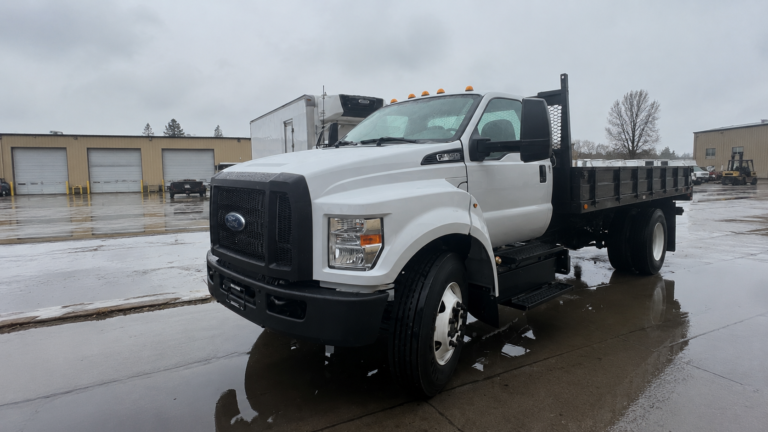
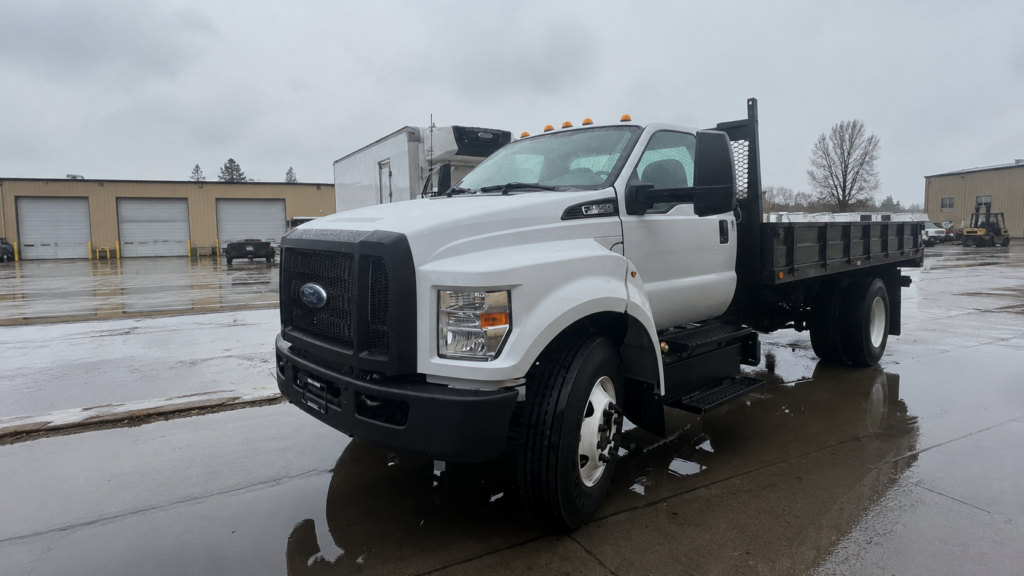
Fleet buyers usually do not lose money on a truck-mounted attenuator because they chose the wrong brand name. They lose money when the unit does not match the way the truck is actually used: lane closure work one week, mobile protection the next, emergency repairs after a hit, or a shared pool truck that needs to be ready on short notice. That is why a Scorpion vs Blade decision should start with deployment reality, not brochure language.
If your crews need a dependable attenuator truck that can move between projects with minimal confusion, the better choice is the one that fits your chassis, service workflow, parts plan, and replacement strategy. For some fleets, that points toward a scorpion tma package. For others, a blade tma solution is a cleaner fit. The key is to compare the system as a whole: truck, attenuator, mounting, rear protection, boards, storage, repair access, and the support available when the unit is damaged and has to get back to work.
Western Highways Traffic Safety Products works with contractors, agencies, and fleet managers who need practical help choosing, buying, renting, leasing, or customizing traffic safety trucks. With operations in Fresno, California and a satellite facility in Justin, Texas, the company supports West Coast and nationwide buyers who want to standardize equipment without sacrificing serviceability or uptime.
Quick recommendation
If your fleet values consistency, easier operator training, and repeatable maintenance routines, prioritize the TMA family that best supports fleet standardization across your truck classes and service locations. If your work involves varied chassis, frequent redeployment, or a high likelihood of replacement parts and repair demand, compare the systems by service access and recovery time, not just by impact resistance. In many cases, the best buying decision is the one that keeps the truck in service after a strike, not the one that looks strongest on paper.
What buyers should compare first
Before comparing a Scorpion truck mounted attenuator to a Blade truck package, line up the questions that matter to operations:
- What chassis will carry the unit, and does the configuration match the GVWR and rear body layout?
- How often will the truck be moved between lane closures, mobile operations, and standby duty?
- Who will inspect, repair, and document damage after an impact?
- How quickly can your team or service center get replacement parts?
- Do you need a purchase, rental, leasing, or short-term project solution?
- Will the truck also carry arrow boards, message boards, traffic sign storage racks, or other work-zone gear?
Those answers usually tell you more than a simple brand comparison. A TMA that works well for a municipal freeway maintenance crew may be a poor fit for a contractor chasing night work across several counties. The right attenuator truck is the one that stays deployable and serviceable through real job conditions.
Scorpion and Blade: the practical differences that matter
Most buyers are not comparing abstract engineering theories. They are deciding which system is easier to standardize, maintain, repair, and redeploy. The comparison below focuses on ownership realities that affect uptime and cost control.
| Decision area | Scorpion TMA | Blade TMA | What to verify before buying |
|---|---|---|---|
| Deployment fit | Often evaluated for fleet programs that want familiar operating routines and repeatable truck setups | Often evaluated for trucks where package layout and rear-body fit are a priority | Chassis match, mounting method, rear overhang, and clearance on the jobs you actually run |
| Repair demand | Ask how quickly components can be inspected and put back in service after a hit | Ask whether damaged parts are straightforward to isolate and replace | Repair process, labor hours, dealer or shop capability, and turnaround expectations |
| Replacement parts | Parts planning matters most for fleets with multiple trucks or rotating drivers | Parts planning matters most when a single truck cannot sit idle | Current parts sources, common wear items, and lead-time exposure |
| Impact resistance | Compare the relevant rating and use case, not just the nameplate | Compare the relevant rating and use case, not just the nameplate | MASH TL-3 discussion, project spec, and whether the use case matches the system |
| Fleet standardization | Useful when training, pre-trip checks, and operator habits need to stay consistent | Useful when your fleet is already built around a compatible truck package | Service procedures, driver training, signage, controls, and documentation |
The table does not replace manufacturer guidance or project specifications. It does help buyers focus on the details that determine whether a system will be easy to own five years from now, not just easy to sign for today.
How to think about impact resistance and MASH TL-3
Many buyers start with the question, “Is it strong enough?” That is fair, but incomplete. A truck mounted attenuator is selected to manage the consequences of a rear-end impact in a controlled way, and the relevant discussion usually includes the project environment, the truck class, and whether the application calls for a MASH TL-3 related setup or another specific performance requirement. Confirm the current specification with the agency, DOT, or manufacturer before committing to a unit.
Impact resistance is not just a product label. It is a system result. The truck chassis, attenuator body, mounting, visibility equipment, and maintenance condition all affect how the unit behaves in service. A well-chosen system on a poor truck can create downtime. A modest system on the right truck can serve a fleet better because it is easier to keep ready.
For buyers, the best question is not “Which one is strongest?” It is “Which one matches the risk profile of our work?” Consider:
- High-speed freeway operations versus lower-speed urban traffic control
- Frequent exposure to lane shifts, shoulders, and narrow work zones
- How often the truck may absorb minor strikes or backing incidents
- Whether you need a dedicated protection vehicle or a multipurpose truck
Western Highways often helps buyers frame this decision around the actual assignment. That is especially useful when a fleet is mixing TMA trucks, traffic control trucks, and custom builds across multiple job types.
Serviceability is where the owning cost shows up
Initial purchase price matters, but serviceability usually decides whether a unit is a strong long-term investment. After a hit, a damaged attenuator can sit for days or weeks if parts are unclear, the repair sequence is messy, or the truck needs to travel to the wrong shop. That is where buyers should ask direct questions about service support.
Use this checklist when comparing a scorpion truck mounted attenuator and a blade truck package:
- What parts are considered common wear items?
- Which components are most likely to be damaged in a rear impact?
- Can the truck be repaired locally, or does it need specialized transport?
- Are technical documents, exploded diagrams, or repair instructions available to your shop?
- How does the return-to-service process work after an incident?
A fleet with in-house mechanics may prefer one system because it is easier to inspect and document. A smaller contractor may prefer the unit that has clearer support pathways and less ambiguity after a strike. Either way, the right answer is the one that reduces repair demand on your operations team.
Deployment compatibility: the truck matters as much as the attenuator
Buyers sometimes focus on the attenuator and treat the truck as a carrier. That creates problems. The carrier affects visibility, braking, turning, rear body clearance, access to controls, and how much additional gear can be stored safely. A good attenuator truck works because the whole package was planned together.
Look at the following before finalizing any TMA truck purchase:
- Chassis class and wheelbase – confirm the truck is appropriate for the intended use and load distribution.
- Rear body layout – make sure the attenuator mount does not conflict with ramps, toolboxes, or storage racks.
- Visibility equipment – verify backup cameras, lights, and warning devices are positioned for the actual job.
- Storage needs – determine whether you need traffic sign storage racks, cones, or tools onboard.
- Operator access – confirm the crew can inspect, deploy, and stow the system without awkward workarounds.
If your program also uses arrow boards or message boards, plan the full truck package together. It is easier to build a clean traffic safety truck once than to retrofit the bed, rack system, and warning equipment around an attenuator later.
What to inspect on a used or transferred TMA truck
Whether you are buying from inventory, transferring between districts, or evaluating a used unit, inspection discipline matters. A buyer can save money on the front end and lose it quickly if the truck needs immediate correction work.
Use this practical inspection sequence:
- Frame and mount condition: check for distortion, weld repairs, corrosion, or signs of impact transfer.
- Attenuator body: look for crushed sections, broken covers, missing hardware, and uneven wear.
- Hydraulics and controls: confirm smooth operation and no visible leaks.
- Electrical system: test all lighting, warning devices, and board circuits.
- Truck chassis: inspect brakes, suspension, tires, and rear visibility equipment.
- Documentation: collect maintenance history, repair records, and any manufacturer or agency paperwork.
For a deeper review, buyers sometimes start with a resource like the guide on analyzing a used TMA truck in terms of highway safety. That kind of review helps separate a serviceable unit from one that has hidden lifecycle costs.
Where rentals, leasing, and purchase options fit
Not every fleet needs the same ownership model. A contractor handling a seasonal freeway contract may not want to tie up capital in a permanent attenuator truck. A public works department may prefer standardized purchase units that stay in the fleet for years. Leasing can bridge the gap when the work is ongoing but the equipment plan is not fully settled.
Ask these questions before choosing the path:
- Is the need temporary, seasonal, or long-term?
- Will the truck see enough utilization to justify ownership?
- Do you need a standby unit for emergencies or one dedicated to daily lane closure work?
- How much service and storage support will your team actually handle?
- Do you need a custom build or a quicker ready-to-work configuration?
Western Highways supports buyers with rentals, leasing, purchase options, and custom truck builds, which matters when the project timeline and capital plan do not line up neatly. The right choice is often the one that keeps the work moving without overcommitting the fleet.
Common mistakes buyers make in Scorpion vs Blade decisions
Even experienced buyers can over-index on the wrong variable. These are the mistakes that show up most often in fleet planning meetings:
- Choosing by brand familiarity alone: a known name is helpful, but it does not replace fit, support, and maintenance planning.
- Ignoring service access: a system that is hard to repair can cost more than a pricier unit with simpler support.
- Forgetting the truck package: a mismatched chassis or poor rear layout can defeat a good attenuator choice.
- Overlooking storage needs: cones, boards, tools, and signage have to live somewhere safe.
- Buying without a parts plan: if replacement parts are slow, the unit may sit after the first meaningful hit.
- Assuming one truck can do everything: some operations need separate configurations for freeway protection, city work, and mobile operations.
These mistakes are avoidable when the buying team includes operations, maintenance, procurement, and the crews who actually deploy the truck.
Standardizing a fleet without losing flexibility
Fleet standardization is valuable because it reduces training time, simplifies inspections, and makes parts forecasting easier. It also creates a common language between field crews and the service department. But standardization should not become rigidity. A good program can standardize the core system while allowing different truck classes or bodies for different routes.
A balanced standardization plan may include:
- One primary attenuator family for most route work
- Defined backup units for peak season or emergency coverage
- Common controls and lighting layouts across the fleet
- Standard repair kits and documented inspection steps
- Shared storage solutions such as rack systems and organized tool compartments
If you are building or upgrading several trucks, it can help to look at related fleet enhancements like five must-have upgrades for a safety truck or a custom storage setup such as 3s swing racks. Those details matter when the goal is an organized, repeatable, service-friendly fleet.
How West Coast logistics affect the buying decision
For buyers in California, Texas, and across the West Coast, logistics can affect the overall value of a TMA truck more than expected. A configuration that is easy to source, inspect, and support locally can reduce dead time. That is especially relevant for agencies and contractors who have work in multiple metros and need practical delivery or pickup options.
Fresno is a useful hub for buyers serving Central California, while the Justin, Texas facility helps support broader regional coordination. For multi-state fleets, that means the decision is not only about product selection. It is also about how quickly the unit can be prepared, picked up, delivered, or serviced when schedules change.
When support matters, ask about the nearest service path, the best location for drop-off, and whether the truck can be configured with accessories during the same build window. Those questions often save more time than haggling over a minor spec line.
Buyer checklist for comparing the two systems
Use this worksheet during internal review meetings:
| Checkpoint | Questions to answer |
|---|---|
| Work type | Freeway protection, mobile operations, city work, emergency standby, or mixed use? |
| Truck chassis | Does the chassis support the weight, wheelbase, and rear layout needed for the system? |
| Support model | Who handles inspection, routine maintenance, and post-impact repair? |
| Parts strategy | Are replacement parts accessible enough to keep the unit in rotation? |
| Operator training | Will the crew get a consistent setup across units? |
| Accessory package | Do you need arrow boards, message boards, racks, or custom storage? |
| Ownership plan | Should the unit be rented, leased, purchased, or built as a custom truck? |
Once the team answers those questions, the Scorpion vs Blade conversation usually becomes much clearer. The best system is the one that aligns with your operating profile and can be kept ready without creating avoidable maintenance bottlenecks.
When to ask for a custom build instead of a standard package
A standard configuration is not always the right answer. If your operation uses a specific truck class, carries unusual storage loads, or needs a combination of attenuator, signage, and work-zone accessories, a custom truck may be the better lifecycle choice. Custom builds are especially useful when a fleet is trying to solve multiple problems at once: standardize the attenuator, improve storage, add visibility tools, and reduce clutter in the bed.
Custom build conversations are most productive when you bring real field details:
- Typical route length and speed environment
- Body type and chassis make/model
- Required onboard tools and storage items
- Board size, sign rack needs, and lighting preferences
- Maintenance limitations at your shop
Western Highways can help compare a standard attenuator package with a more complete build, whether the result is a dedicated TMA truck, a traffic control truck, or a multi-purpose work vehicle.
Best-fit summary
If your priority is a fleet-wide, easy-to-train, easy-to-support approach, choose the system that best fits your maintenance staff and deployment pattern, not just the name you recognize. If your priority is getting a unit back on the road quickly after routine strikes, then parts availability, service access, and repair workflow may matter more than any single product feature. That is true whether you are evaluating a scorpion tma, a blade tma, a metro TMA, a TMA Pro, or a TMA Max package.
For many buyers, the real decision is broader than Scorpion versus Blade. It is whether the whole attenuator truck program is built to reduce downtime, support safe deployments, and give supervisors confidence when the next shift rolls out.
Ready to compare a real truck package?
If you want help choosing the right TMA truck, attenuator, rental, leasing option, or custom build, have the following ready before you call:
- Your truck chassis details or target chassis class
- The work type and route environment
- Whether you need a scorpion truck mounted attenuator or blade truck configuration
- Any requirements for MASH TL-3 discussion or agency specs
- What you need to carry on the truck besides the attenuator
- Your service model, repair expectations, and timing
Call Western Highways Traffic Safety Products at (559) 394-7762 for help choosing the right TMA truck, attenuator, sign storage, arrow board, message board, rental, leasing, purchase, or custom truck solution.
