
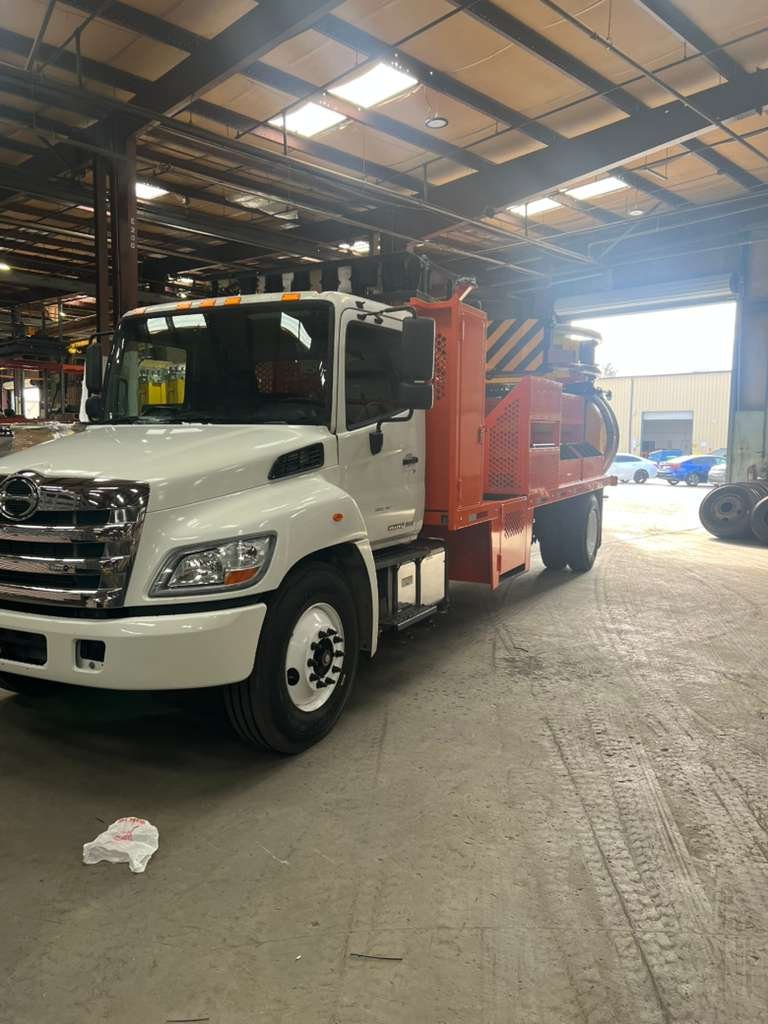
Build the truck around the job, not the other way around
A traffic safety truck has one mission: protect people while keeping crews productive. That sounds simple until you start matching a chassis, an attenuator, board packages, storage, and service expectations to the actual work. A city pothole crew, a freeway striping contractor, and a utility maintenance team do not need the same setup, even if they all use a truck-mounted attenuator.
Buyers looking at a 2014 International 4300, a 2010 International 4300, or even a newer International MV usually have the same questions underneath the model year: is the truck still fit for service, what will it carry, how long can it stay on route, and how much downtime can the fleet tolerate? Those are the right questions. The chassis matters, but the work zone spec matters more.
Western Highways Traffic Safety Products works with contractors, public works teams, fleet managers, and safety supervisors who need practical answers on TMA trucks, truck-mounted attenuators, Scorpion and Blade TMA solutions, traffic control trucks, arrow boards, message boards, storage racks, and custom builds. If the decision is between repairing, renting, leasing, or buying, the best option is usually the one that keeps the truck safe, compliant with the project spec, and available when crews need it.
What to decide first
Before comparing model years or package names, define the job. A truck that protects a lane closure on a city arterial may need different range, body space, and equipment storage than a freeway shadow vehicle or a maintenance support truck running from site to site all week.
- Use case: lane closure protection, mobile operations, utility support, sign setup, or general traffic control
- Route length: local stops, regional travel, or long freeway runs
- Payload needs: attenuator weight, boards, cones, sign racks, tools, water, fuel, and crew gear
- Service model: owned fleet, seasonal rental, long-term lease, or mixed fleet
- Downtime tolerance: can the unit sit for repairs, or must it return quickly?
Once those answers are clear, the truck selection gets much easier. A well-specified traffic control truck may be a better investment than a bare chassis that is later forced into service with add-ons that create weight, electrical, and storage problems.
Quick recommendation for buyers comparing older International chassis
If you are evaluating a 2014 International 4300 value proposition against a 2010 International or newer 2026 International MV option, judge it by condition and mission fit rather than model year alone. A clean, well-documented truck with the right wheelbase, axle capacity, fuel system, and body setup can outperform a newer truck that is poorly matched to the job.
For many fleets, the smartest path is this:
- Confirm the expected duty cycle and equipment load.
- Inspect the chassis structure, brakes, steering, tires, wiring, and frame condition.
- Verify the attenuator and body package match the project requirements.
- Compare ownership cost, rental cost, lease terms, and downtime exposure.
- Check whether a custom build or retrofit will solve more problems than a stock truck.
If the truck will carry a TMA, boards, and sign storage, the layout needs to be planned as a system. A strong chassis with the wrong body package can still become a weak fleet asset.
How to evaluate a truck chassis for traffic safety work
Model badges can be helpful, but buyers should focus on the fundamentals. A used 2014 International or International truck 2010 platform should be inspected as a working commercial tool, not as a passenger vehicle with cosmetic issues.
Frame and structural condition
Look closely at the frame rails, crossmembers, mounting points, and any drilled holes from prior equipment. The attenuator mount, body additions, and storage rack attachments all depend on a solid structure. Rust, distortion, weld repairs, and uneven body alignment are warning signs.
Powertrain and cooling
Traffic safety trucks spend time idling, crawling, and starting and stopping. That puts stress on cooling systems, belts, hoses, and electrical charging. Ask for maintenance records that show oil changes, cooling service, and any transmission work. A truck that only looks good on the lot can become expensive once it starts spending full shifts on a work zone.
Electrical and lighting
Arrow boards, message boards, beacons, cameras, work lights, strobes, and emergency power all depend on clean electrical work. Poor splices and improvised wiring are common causes of fleet frustration. Inspect the harnesses, switches, fusing, battery condition, alternator output, and mounting methods.
Brakes, tires, and suspension
A TMA truck carries more than a regular service body. Make sure the suspension and braking system are appropriate for the added mass. Check tire age as well as tread. Uneven wear often points to alignment, load, or suspension issues that will return after the truck is put back into service.
Cab ergonomics and visibility
Drivers working long shifts need clear visibility and simple controls. Backup cameras, mirrors, switch placement, and seat condition matter because driver fatigue and blind spots can create real risks in active lanes. If the truck will be used in tight urban streets, visibility should carry more weight in the decision.
Understanding the chassis questions buyers ask most
Some search terms are really shorthand for operational questions. A buyer asking about international 4300 fuel tank capacity is often trying to answer one of two things: can the truck stay on the route all day, and does the range fit the workload? The number by itself is less important than how the truck is used.
- Fuel range: Does the truck have enough range for a long freeway shift or multi-site day?
- Idle time: How much fuel will be burned while the truck is standing by with boards or lights running?
- Payload impact: Will a larger tank or added equipment reduce usable capacity?
- Service access: Can maintenance be done quickly at your own shop or service center?
The same thinking applies to 2010 International 4300 and 2014 International 4300 comparisons. Older units can still be worthwhile if they have a sound maintenance history and the fleet can support them. If parts, downtime, or emissions-related concerns are already creating friction, moving up to a different platform such as an International MV may make more sense. The best answer depends on the operating profile, not just the year on the registration.
Choose the attenuator package based on the work zone, not just the brand
Western Highways stocks and supports multiple truck-mounted attenuator solutions, and buyers often compare names before they compare requirements. That order is backwards. Start with the job, then match the hardware.
Scorpion, Blade, and other TMA options
Scorpion TMA and Blade TMA systems are both familiar names in the traffic safety market, but fleet buyers should compare them in the context of crash protection expectations, mounting geometry, serviceability, replacement parts, and truck compatibility. If a unit will be transferred between trucks, that changes the procurement strategy. If the truck will stay dedicated to one route, a different mount strategy may be acceptable.
Key comparison points include:
- compatibility with the selected chassis and body
- reset and repair requirements after impact
- shipping and replacement parts support
- visibility of the unit when stowed and deployed
- weight and how that affects payload
Some fleets also evaluate names like Metro TMA, TMA Pro, or TMA Max as part of a broader comparison. The right unit depends on the project spec, the intended speed environment, and the maintenance structure behind the fleet. If a unit is being specified for a public agency contract or freeway work, confirm the required standard and document the exact configuration in the bid or submittal package.
MASH and TL-3 discussions
Buyers often hear MASH and TL-3 in the same conversation. Those terms are not decoration. They affect what can be used where, and the project owner may require specific evidence or documentation. Before finalizing a purchase, rental, or lease, verify what the job spec actually calls for and make sure the selected attenuator and truck package align with it.
For more background on the safety side of the decision, see the discussion on how truck-mounted attenuators reduce work-zone risk and the fleet-focused review of crash-test compliance questions for TMA trucks.
Rental, leasing, or purchase: which path fits the fleet?
There is no universal best answer. The right choice depends on utilization, capital budget, project length, and whether the fleet can manage storage and maintenance in-house.
| Option | Best when | Strengths | Tradeoffs |
|---|---|---|---|
| Purchase | The truck will be used regularly and long-term | Full control, long-term asset value, custom fit | Higher upfront cost, maintenance responsibility |
| Lease | You want predictable payments and a defined term | Capital flexibility, easier fleet planning | Term limits, condition rules, possible restrictions |
| Rental | Projects are seasonal, emergency, or short duration | Fast access, less ownership burden | Higher ongoing cost, availability can vary |
For fleets with variable workload, rental or leasing can reduce idle capital. For teams with consistent traffic control demand, purchase may make more sense if the truck is configured correctly and supported by a strong repair plan. Western Highways can help buyers weigh those options alongside custom builds and service support.
What belongs on a modern traffic safety truck
Some buyers focus on the attenuator and forget the support equipment that makes the truck efficient in the field. A properly built traffic safety truck should help the crew work safely, not just survive an impact.
Boards and visual control
Arrow boards and message boards serve different purposes. Arrow boards are ideal for directing merges, closures, and obvious lane movements. Message boards do more when the crew needs to communicate closures, detours, or changed conditions. The choice is often not either-or. Many fleets need both, depending on project type.
If the team is comparing sign systems, the page on choosing between arrow boards and message boards can help narrow the decision. Visibility considerations are also worth reviewing, especially in bright sun or long sightlines, as discussed in board visibility guidance.
Storage and field organization
Traffic sign storage racks and fleet storage systems matter more than many first-time buyers expect. A truck that keeps signs, delineators, cones, and tools organized saves time at every deployment. It also reduces damage and keeps crews from overloading the cab or bed with loose gear.
Useful storage-related questions include:
- Can the crew access signs without climbing through other equipment?
- Is the rack protected from vibration and roadside impacts?
- Will the load shift during braking or rough pavement?
- Can the system be expanded later?
For fleets needing compact rack layouts, the article on 3S swing racks and the broader overview of Buster Rack options are worth reviewing.
Camera and driver support
Backup cameras and related visibility aids are practical upgrades, especially on trucks that back frequently near cones, trailers, or live traffic. They do not replace training, mirrors, or spotters, but they reduce blind-spot stress and help protect the truck, the crew, and the public.
Used truck or custom build?
That question comes up often when buyers are comparing a used 2014 International platform against a newer International MV chassis or a custom traffic control truck build. The answer depends on how much standardization your fleet needs.
Used truck makes sense when
- the truck history is documented
- the frame and powertrain are in solid condition
- your crew can maintain the platform
- the existing configuration closely matches the route or job
Custom build makes sense when
- you need a specific storage layout
- the attenuator and board package must work as one system
- you want a better fit for a repeat contract
- the current fleet has recurring downtime from poor configuration
Western Highways supports buyers who want to build custom traffic safety trucks or improve an existing unit through targeted upgrades. For fleets that need a more specialized body, the resource on custom truck beds for traffic control operations is a useful companion read.
Inspection checklist for buyers and fleet managers
Use this list before you approve a unit, especially if you are weighing a used truck against a new purchase or a lease return.
| Area | What to inspect | Why it matters |
|---|---|---|
| Frame and mounts | Cracks, rust, prior drilling, weld repairs | Determines whether the attenuator and body will stay secure |
| Electrical | Lighting, harnesses, switches, battery, alternator | Supports boards, warning lights, and driver visibility |
| Brakes and suspension | Stopping performance, ride height, wear patterns | Affects control and safety under load |
| Cooling and engine | Idle behavior, overheating history, maintenance records | Traffic trucks idle a lot and need dependable cooling |
| Storage layout | Rack condition, tie-downs, access, load balance | Reduces damage and improves crew efficiency |
| Attenuator match | Mounting, deployment, stow position, documentation | Ensures the system fits the truck and project requirements |
| Driver aids | Mirrors, cameras, seat, controls, ingress/egress | Helps reduce fatigue and low-speed incidents |
If an inspection uncovers weak points, ask whether a repair, retrofit, or replacement makes the most sense. In some cases, the better move is to redirect the budget to a cleaner platform rather than forcing an expensive recovery project.
Common mistakes that cost fleets time and money
- Choosing by model year only: A newer truck is not automatically a better work truck.
- Ignoring body weight: Adding boards, racks, and an attenuator can quickly affect payload and handling.
- Overlooking service access: A truck that is hard to maintain will spend too much time off the road.
- Mixing incompatible equipment: Not every rack, board, or attenuator package works well together.
- Skipping documentation checks: Missing maintenance records or spec sheets can create problems later.
- Underestimating driver workflow: A cramped or awkward layout slows the crew and increases mistakes.
Avoiding these errors often saves more than negotiating on the purchase price. For a deeper look at evaluation pitfalls, the guide on analyzing a used TMA truck in terms of highway safety is a strong reference.
What buyers should verify before final approval
Before you sign off on a unit, ask for the documents and answers that show the truck is fit for your intended use.
- maintenance history and repair notes
- chassis VIN and title status
- attenuator model documentation
- any project-specific compliance paperwork
- service intervals and parts availability expectations
- modification records for racks, boards, cameras, or bodies
If the truck is going to work in California, Texas, or on multi-state contracts, verify regional requirements with the project owner or applicable agency. The spec that works for one job may not work for another, especially on freeway projects or municipal contracts.
Working with a supplier that understands fleet downtime
For many buyers, the real value is not just the truck or attenuator itself. It is the ability to get a practical answer quickly when a unit is down, a project starts early, or a bid requires a specific setup. That is why a supplier with a large West Coast inventory, service support, and delivery or pickup flexibility can matter as much as the product line.
From Fresno and the Central Valley to clients in Selma, Bridgeport, across California, through Texas, and nationwide, Western Highways Traffic Safety Products helps buyers compare equipment, arrange rentals or leasing, and plan custom builds with the realities of traffic operations in mind. If you need repair help, the resource on 24/7 equipment repair for TMA trucks is a good starting point.
Best-fit summary
If you are choosing between a 2010 International, a 2014 International 4300, or a newer International MV platform, start with the job and the support plan. A reliable chassis, the right truck-mounted attenuator, correct board package, organized storage, and a serviceable layout will do more for safety and productivity than chasing the newest badge.
For fleets that need a dedicated TMA truck, an attenuator replacement, a custom traffic control body, or a rental while the main unit is in repair, the goal is the same: keep the crew protected and keep the work moving.
Call Western Highways Traffic Safety Products at (559) 394-7762 with your chassis year, intended use, board and storage needs, project location, and whether you are leaning toward rental, leasing, purchase, or a custom build. Having that information ready will help the team narrow the right TMA truck, attenuator, sign storage, arrow board, message board, or service option faster.
You can also start at the Western Highways Traffic Safety home page or review the about us page to learn more about support from Fresno and the satellite facility in Justin, Texas.
FAQ
Is a 2014 International 4300 still a reasonable platform for a traffic safety truck?
It can be, if the frame, powertrain, brakes, wiring, and maintenance history are solid and the truck matches the intended duty cycle. The key question is not age alone; it is whether the truck can safely carry the attenuator, boards, and storage your operation requires.
How do I compare the 2014 International 4300 value against a newer International MV?
Compare total operating value, not just purchase price. Look at maintenance history, fuel range, service access, body compatibility, parts support, and the cost of downtime. A newer International MV may be a better fit if your fleet needs a more current platform, but a well-kept 2014 unit can still be sensible for the right job.
What matters most about international 4300 fuel tank capacity?
Range matters more than the tank number by itself. A truck that idles all day with boards and lighting may need more fueling flexibility than a short-route support unit. Consider idle time, travel distance, and whether the truck will run between multiple job sites.
Should I choose purchase, lease, or rental for a TMA truck?
Purchase usually fits steady, long-term use. Lease can help when you want predictable payments and a defined term. Rental is often best for seasonal work, emergency response, or projects where you need a truck quickly without long ownership commitments.
Can Western Highways help with repairs or a temporary replacement while my truck is down?
Yes. Buyers often ask about repair support, rentals, and replacement planning together because downtime is the real cost driver. If you need help, call with the chassis type, attenuator model, and the specific issue so the team can talk through the fastest practical path.
