
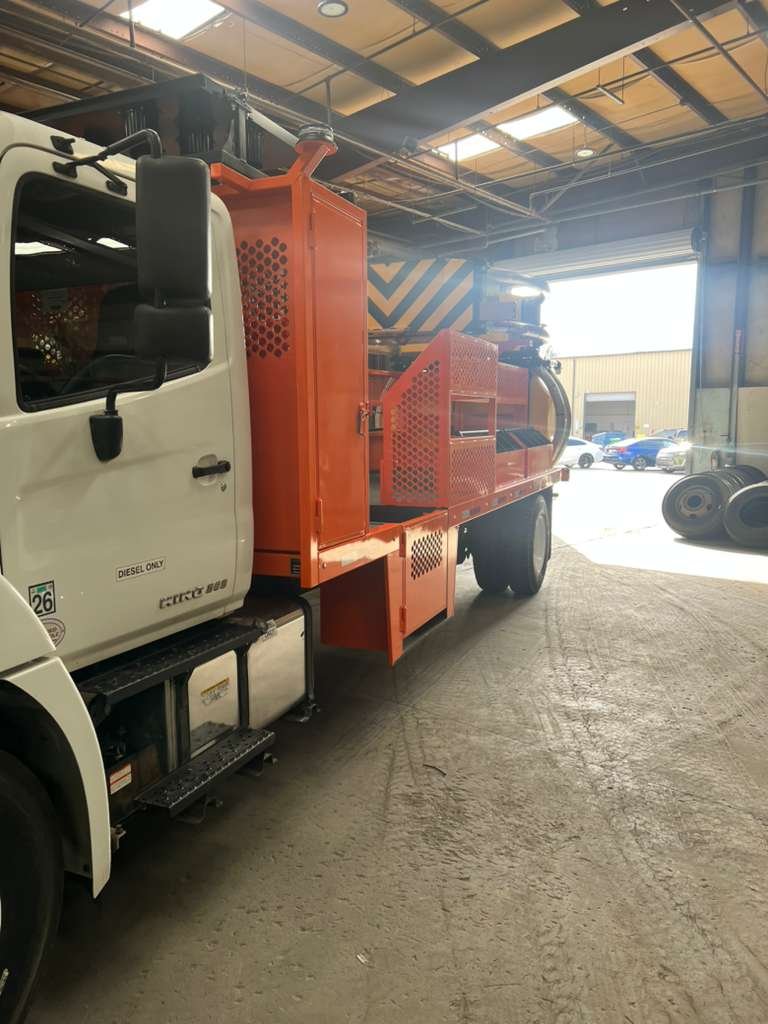
For buyers responsible for work-zone protection, the real decision is rarely just whether to buy a truck mounted attenuator. It is whether the entire truck, attenuator, board package, storage layout, and support plan will hold up under actual deployment conditions. That means thinking through lane closure patterns, daily miles, impact risk, operator turnover, repair lead times, and how often the vehicle will be shared across crews or districts.
A well-matched TMA truck can reduce exposure for crews working in live traffic, but only if it is built, inspected, and deployed with the right details in place. The wrong chassis match, poor accessory layout, or missing documentation can create delays, avoidable downtime, and spec headaches. Buyers also need to decide whether a truck mounted attenuator rental, lease, or purchase is the best fit for the job schedule and budget. Western Highways Traffic Safety Products works with contractors, municipalities, fleets, and agencies from Fresno and Selma to Bridgeport, across Texas, and nationwide with practical equipment support.
What matters first in a TMA truck decision
Start with the operating problem you are trying to solve. A short-duration lane closure on a city arterial has different needs than a night freeway operation or a long-haul highway maintenance fleet. Before comparing a truck mounted attenuator for sale against a rental or leased unit, clarify the frequency of use, expected exposure, crew skill level, and how quickly the unit must be back in service after damage.
For many buyers, the best answer depends on four points:
- Duty cycle: daily use, seasonal use, emergency response, or backup protection.
- Deployment type: mobile operations, rolling closures, stationary protection, or advanced warning support.
- Fleet role: dedicated attenuator truck, shared crash attenuator truck, or multi-use traffic control truck.
- Support model: in-house maintenance, dealer service support, rental replacement, or custom fleet build plan.
If the vehicle will also carry channelizing devices, signs, or crew gear, the storage layout matters almost as much as the attenuator itself. That is where traffic sign storage racks, fleet storage systems, and custom truck builds can improve daily use and reduce clutter.
Quick recommendation
If the truck will be used often, carries equipment every day, and must remain productive across multiple seasons, lean toward a purpose-built TMA truck with the right service plan. If the need is project-based, seasonal, or tied to a short contract, a truck mounted attenuator rental or lease may preserve cash and simplify replacement. If the goal is to upgrade an existing fleet, a custom attenuator truck or retrofitted unit may be the better path, provided the chassis, braking, and accessory package are appropriate for the attenuator system and the project spec.
For buyers comparing options, it often helps to speak with a supplier that understands both the truck and the work zone. Western Highways can help you compare truck mounted attenuators, rentals, leasing, purchase options, arrow boards, message boards, and storage packages in one conversation.
What is a truck mounted attenuator?
A truck mounted attenuator is a crash attenuating device installed on a vehicle, usually at the rear, to absorb impact energy and help protect workers, equipment, and the driver in moving or stationary lane protection setups. In plain terms, it is a sacrificial safety system intended to manage certain impacts so the consequences are less severe than a direct strike to the host vehicle or crew area.
Buyers also hear the terms TMA truck, attenuator truck, truck attenuator, and crash attenuator truck. In practice, people often use those names interchangeably, though the underlying equipment package may vary by chassis class, attenuator model, lighting, warning devices, and storage configuration.
Common product names in the market include the Scorpion truck mounted attenuator and Blade TMA configurations. You may also see references to Metro TMA, TMA Pro, or TMA Max depending on the manufacturer or platform. Always confirm the exact model, fitment, and documentation against the project requirements and current manufacturer information.
How does a truck-mounted attenuator enhance safety in work zones?
Its value is practical: it creates a buffer between moving traffic and the people doing the work. In an active lane closure, the attenuator truck can trail moving crews, protect the taper, absorb a rear-end strike, or act as a safety barrier in front of equipment and workers. That does not make the truck invulnerable, and it does not replace disciplined traffic control, but it does add a critical layer of risk reduction.
For supervisors, the biggest safety gains usually come from combining the attenuator with proper warning equipment and disciplined deployment. A vehicle fitted with truck mounted arrow boards or truck mounted message boards gives drivers more advance notice, which can reduce last-second maneuvers and lane encroachment. Good visibility, lane discipline, and trained operators matter just as much as the attenuator hardware.
Compare the main purchase paths
| Option | Best for | Key advantages | Watch-outs |
|---|---|---|---|
| Purchase | High-use fleets, agencies, long-term contractors | Built to your spec, full asset control, easier fleet standardization | Higher upfront cost, maintenance responsibility, downtime planning |
| Rental | Short projects, seasonal demand, emergency coverage | Lower capital commitment, quicker response to short-term need | Availability can vary, mileage and damage terms need close review |
| Lease | Budget-managed fleets, rotating contracts, asset planning | Predictable monthly cost, easier upgrades, less ownership burden | Contract terms, wear limits, and end-of-term requirements matter |
| Custom build | Specialized fleets, mixed-use trucks, branded programs | Purpose-fit layout, better storage, better operational workflow | Requires tighter planning, spec review, and build coordination |
How to evaluate truck mounted attenuator guidelines without getting buried in jargon
Truck mounted attenuator guidelines should be read as a working checklist, not as shelf documentation. They usually touch vehicle configuration, warning devices, placement, maintenance, operator qualifications, and how the attenuator is used within the traffic control plan. Because project specs and state requirements can differ, confirm current expectations with the applicable DOT, agency, or manufacturer before mobilizing.
Use this practical review list before committing to a unit:
- Vehicle compatibility: confirm chassis class, axle capacity, braking, and mounting fit.
- Attenuator model match: verify the device is approved or accepted for the intended application.
- Warning package: check lights, reflectivity, boards, and placement for the work-zone task.
- Rear visibility: confirm camera, mirrors, and sightlines from the cab.
- Storage layout: make sure signs, cones, and tools can be stored without interfering with operation.
- Inspection routine: define daily, weekly, and post-event checks.
- Repair path: identify who fixes a damaged unit and how quickly a replacement can be sourced.
If a buyer skips those items, the result is often a truck that looks ready but is awkward to deploy, difficult to maintain, or expensive to keep on the road.
Scorpion, Blade, and other attenuator choices
Buyers frequently compare a Scorpion truck mounted attenuator against a Blade TMA or another platform based on proven use in their region, available chassis, service history, and fleet familiarity. The right answer is not universal. What matters is how the device fits the job, the host truck, and the project spec.
Useful comparison points include:
- Impact profile: what kind of exposure the vehicle will face in the field.
- Deployment style: mobile protection, fixed presence, or support vehicle use.
- Parts and service access: how fast replacement parts or repair support can be obtained.
- Operator familiarity: whether your crews already know one platform better than another.
- Truck fit: how the device affects rear overhang, turning, and storage space.
For some organizations, the better investment is not a change in brand but a better overall package: cleaner truck build, clearer warning equipment, better storage, and a maintenance plan that keeps the attenuator available when needed.
Rental vs. purchase: what fleet managers should really compare
Searches for truck mounted attenuator rental or attenuator truck rental usually come from buyers under time pressure. That is understandable, but a fast rental decision still needs structure. Ask how the rental is inspected, what damage provisions apply, whether warning devices are included, and whether the rental package is truly ready for field use or only mechanically complete.
Purchase makes more sense when:
- the unit will be used often enough to justify ownership;
- your fleet wants standardized trucks and controls;
- you have maintenance staff or a reliable service partner;
- you need to customize storage, lighting, and accessory placement.
Rental makes more sense when:
- the project window is short;
- you are covering bid work, storm response, or a temporary lane closure program;
- you want to avoid tying up capital;
- you need a quick stopgap while a damaged unit is out of service.
Leasing can be useful when the work is ongoing but ownership timing is uncertain. It can also help bridge the gap between current fleet demand and future replacement cycles. Ask for the total lifecycle cost, not just the monthly figure.
What to inspect on a crash attenuator truck before signing anything
A crash attenuator truck should be reviewed as a system, not as isolated parts. A clean body with a tired chassis, or a good chassis with poor warning gear, can still create operational problems.
Use the following inspection worksheet:
| Area | What to check | Why it matters |
|---|---|---|
| Chassis condition | Frame, tires, brakes, suspension, powertrain, fluid leaks | Mechanical reliability and safe road travel |
| Attenuator assembly | Mounting hardware, visible damage, wear, missing components | Impact performance and deployment readiness |
| Warning package | Arrow boards, message boards, strobes, reflectors, backup cameras | Driver awareness and nighttime visibility |
| Electrical system | Harnesses, batteries, controls, charging, board operation | Prevents surprise failures in the field |
| Storage and access | Racks, compartments, ladder access, securement points | Safer, faster crew workflow |
| Documentation | Manuals, service records, spec sheets, inspection logs | Helps verify suitability and maintenance status |
If you are evaluating a used or transferred unit, ask for the service history and any repair records tied to the attenuator or truck body. Western Highways has resources such as a practical used TMA evaluation guide and a compliance review checklist that can help buyers avoid expensive surprises.
Why training changes the value of the equipment
Truck mounted attenuator training should cover more than a quick walkaround. Operators need to understand where the truck belongs in a closure, how it interacts with other traffic control devices, how to position it relative to taper lengths, and what to do if the unit is struck or damaged. A well-trained operator is less likely to create preventable exposure or misuse the vehicle as ordinary transportation.
At minimum, your program should address:
- pre-trip inspections and defect reporting;
- deployment and retrieval procedures;
- safe following distance and lane positioning;
- board operation and visibility checks;
- post-incident actions after a hit or near miss;
- communication with the foreman, flaggers, and other vehicles in the zone.
Training is especially important when a fleet uses multiple platforms or mixes attenuator trucks with message board carriers and traffic control trucks. A consistent playbook reduces confusion and makes handoffs easier between crews.
Where arrow boards, message boards, and storage racks fit in
A TMA truck often does more than protect the tail end of a closure. It may also carry a truck mounted arrow board or truck mounted message board to warn motorists, guide merges, and support changing conditions. Buyers comparing arrow boards and message boards should think about the kind of communication the job requires. An arrow board is excellent for directional guidance; a message board is better when the crew needs to communicate lane closures, detours, speed changes, or other instructions.
Storage is the other overlooked piece. Traffic sign storage racks and fleet storage systems can reduce the time crews spend loading and unloading signs, posts, cones, and accessories. That also helps prevent loose gear from crowding the bed or interfering with the attenuator assembly.
For fleets building out new trucks, it can be worth reviewing related resources such as how to choose the right message board and the practical differences between arrow boards and message boards.
Common mistakes buyers make
Most costly mistakes are not about the headline equipment choice. They are about the details around it.
- Buying for the wrong use case. A truck built for freeway shadowing may not be ideal for city utility work or mixed route service.
- Ignoring storage and ergonomics. A poorly arranged bed slows crews down and increases the chance of damaged gear.
- Overlooking repair lead time. If a damaged attenuator cannot be serviced quickly, the truck sits idle.
- Failing to train multiple operators. A single experienced driver is not enough for a fleet program.
- Choosing by price alone. The lowest upfront number can become the highest operating cost if support, parts, or fit are weak.
- Not confirming project requirements. State, local, and contract specifications can differ widely.
A better approach is to weigh uptime, safety, documentation, and service access together. If you need help troubleshooting recurring issues, a service partner that handles TMA truck repair support can be valuable in reducing downtime.
What a strong fleet support plan looks like
For public works teams and contractors alike, the best equipment is the equipment that is available when the shift starts. That is why service support matters as much as the unit specification. A useful support plan should cover preventive maintenance, replacement parts, repair escalation, and a path to a backup unit when the primary truck is down.
Western Highways Traffic Safety Products supports buyers with truck mounted attenuators, custom truck builds, rentals, leasing, purchase options, and repair coordination from Fresno with a satellite facility in Justin, Texas. That reach can be especially helpful when you need practical delivery, pickup, or fleet staging options across the West Coast and beyond. If your program also needs custom storage, utility-friendly truck beds, or other fleet upgrades, it may help to review custom traffic control truck options and the case for purpose-built truck beds.
For California buyers, Texas buyers, and national fleets alike, the important question is not whether a supplier can sell equipment. It is whether they can help you keep the work moving safely after the first deployment, the first repair, and the first schedule change.
Buyer questions to ask before you commit
- What chassis and attenuator combination best fits our route, speed environment, and crew size?
- Is the unit better suited for purchase, lease, or truck mounted attenuator rental?
- What warning devices, boards, and storage options should be included from day one?
- How will repairs be handled if the attenuator is struck or the truck is damaged?
- What documentation do we need from the manufacturer or project owner before deployment?
- Can the supplier help us compare Scorpion, Blade, or other TMA platforms fairly?
- How quickly can we get a replacement or backup unit if the primary truck is down?
Practical shortlist for procurement teams
If you need a fast internal review, this checklist can keep the conversation focused:
- Define the job: freeway, arterial, utility, emergency response, or mixed fleet support.
- Choose the path: rental, lease, purchase, or custom build.
- Confirm fit: chassis, attenuator model, lighting, camera, and board package.
- Check support: parts, service, repair turnaround, and backup unit access.
- Verify paperwork: manuals, inspection logs, and current spec compliance documents.
- Plan the crew workflow: storage, access, and operator training.
If you are still deciding, a brief call can save a lot of back-and-forth. Having the project type, preferred chassis class, expected usage, and whether you need arrow boards, message boards, or racks will help the conversation move quickly.
Best-fit summary
A truck mounted attenuator is not just a piece of hardware; it is part of a work-zone system. The safest and most cost-effective choice usually comes from matching the attenuator truck to the actual exposure, then building around it with the right warning devices, storage, service support, and training. Buyers looking for a truck mounted attenuator for sale, a rental, or a leasing path should compare more than price. They should compare uptime, documentation, repair support, and the way the truck will work in the field.
For Western Coast and nationwide buyers who want help narrowing the options, Western Highways Traffic Safety Products can discuss TMA trucks, Scorpion and Blade TMA solutions, traffic control trucks, truck mounted message boards, truck mounted arrow boards, storage racks, fleet storage, rentals, leasing, and custom builds.
Talk with a specialist
Call Western Highways Traffic Safety Products at (559) 394-7762 for help choosing the right TMA truck, attenuator, sign storage, arrow board, message board, rental, leasing, purchase, or custom truck solution. Before you call, have these details ready: your project location, expected duration, chassis preference if any, whether you need a Scorpion or Blade TMA discussion, and whether you are trying to replace, rent, lease, or build out a fleet unit.
