
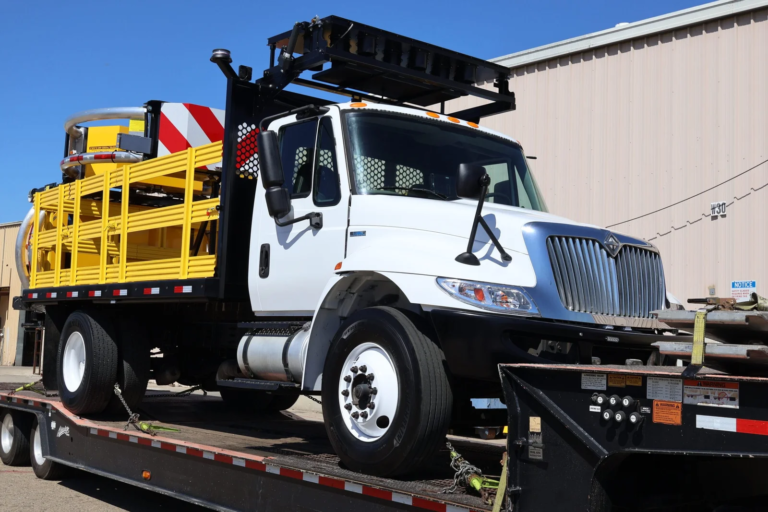
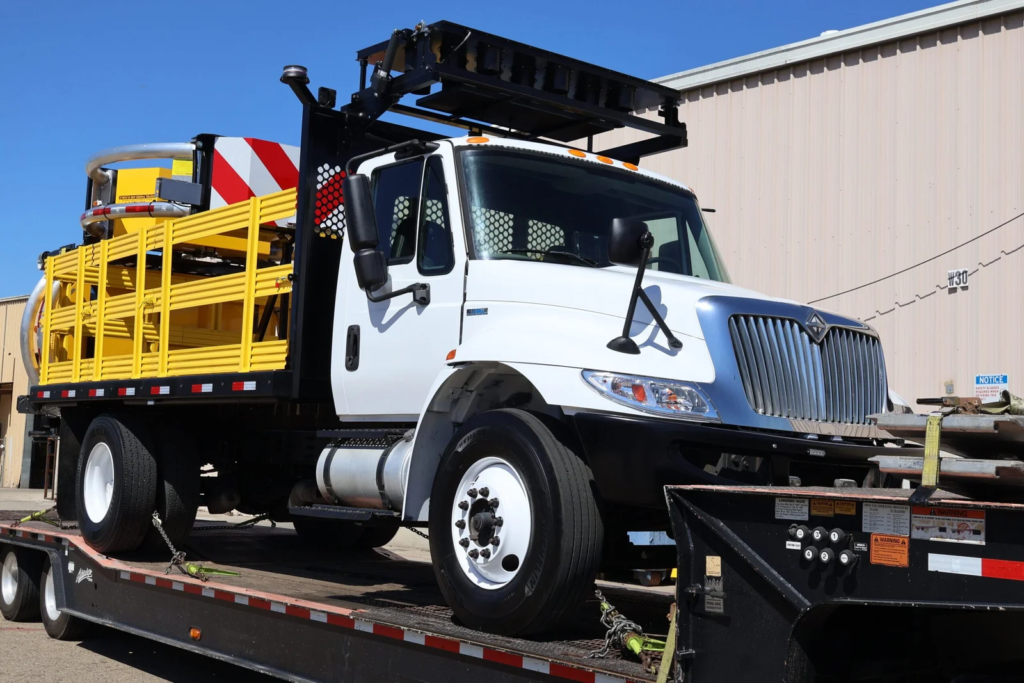
TMA trucks lose money long before they fail completely. A small hydraulic leak, a loose mount, a damaged energy-absorbing module, or an electrical fault in the warning system can pull a truck out of service at the exact moment a crew needs it on a lane closure, paving job, or night shift. The right maintenance plan keeps the vehicle ready, but it also protects the attenuator, the truck body, the lights, the control systems, and the people working around it.
For fleets that rely on a truck-mounted attenuator every day, maintenance is not just a mechanical task. It is a service continuity plan. That means knowing how often to inspect, what wear points matter most, when a repair is enough, and when a replacement or rental makes more sense than forcing a damaged unit back into rotation. It also means looking at the whole truck: crash truck maintenance, sign storage, warning devices, and the way the vehicle is loaded and used.
Western Highways Traffic Safety Products works with contractors, agencies, and fleet teams that need practical support for TMA trucks, attenuator trucks, Scorpion and Blade TMA solutions, traffic control trucks, message boards, arrow boards, storage racks, custom builds, rentals, leasing, and purchase options. If your goal is to avoid fleet downtime, the details below will help you build a maintenance routine that holds up in real work-zone conditions.
Quick recommendation for fleets that cannot afford surprise downtime
Start with three layers of control: daily checks, scheduled inspections, and event-based reviews after any impact, hard stop, electrical issue, or overload. If a truck is assigned to high-demand work or nighttime traffic control, shorten the interval between inspections and keep a replacement path ready.
When a unit shows repeated attenuator wear, intermittent warning light failures, damaged rack hardware, or frame stress after an incident, do not wait for the next service interval. Pull it for diagnosis and compare the repair cost to the cost of downtime, rental coverage, or a different build configuration.
What to inspect before the truck leaves the yard
A good pre-trip inspection takes less time than a roadside breakdown, but it has to be specific. A TMA truck carries more than an attenuator; it carries the systems that make it visible, stable, and useful in traffic.
Daily pre-trip checklist
- Attenuator condition: look for torn covers, bent elements, missing hardware, fluid leaks, or impact-related deformation.
- Mounting points: check pins, brackets, welds, and fasteners for movement or fatigue.
- Lift and deploy functions: confirm the attenuator raises, lowers, locks, and stows correctly.
- Truck lights and conspicuity: verify all emergency, work-zone, and marker lights.
- Arrow board or message board: check power, display function, and remote controls if equipped.
- Brakes and tires: confirm wear, pressure, and any vibration that could affect stability.
- Backup cameras and electrical systems: test image quality, wiring, and connectors.
- Sign storage racks and cargo restraints: make sure stored equipment is secure and does not create imbalance.
If the truck uses custom rack systems such as a 3S swing rack, a Buster rack, or another storage package, inspect moving joints and latch points closely. Loose stored gear creates noise, wear, and load shift. It also makes the truck harder to trust on rough pavement or during rapid lane changes.
Weekly or shift-based checks on high-use units
- Inspect hydraulic hoses, fittings, and cylinders for seepage.
- Look under the body for fresh fluid or impact debris.
- Review battery condition and charging performance.
- Check remote control operation for boards, warning systems, and lift functions.
- Confirm any required reflective tape and panels are intact and visible.
High-repair-demand fleets often find that the small items cause the biggest delays. A failed connector, a weak battery, or a loose switch can keep a truck out of service even when the attenuator itself is still usable.
How often should you service your TMA trucks?
There is no single interval that fits every fleet. The real answer depends on mileage, duty cycle, roadway conditions, impact history, seasonal heat or corrosion, and how often the truck is used for active traffic control versus standby protection. A unit that runs nightly on a freeway project should not follow the same cadence as a truck used occasionally for local flagging support.
A practical schedule looks like this:
| Service interval | What to review | Why it matters |
|---|---|---|
| Before every shift | Visual inspection, lights, board function, leaks, tires, attenuator movement | Prevents obvious failures from reaching the jobsite |
| Weekly or every heavy-use cycle | Mounts, hydraulics, wiring, fasteners, stored equipment, battery charging | Catches wear before it causes unplanned downtime |
| Monthly or scheduled mileage interval | Brakes, suspension, electrical load, frame condition, alignment issues, fluid condition | Supports long-term fleet reliability |
| After impact, near miss, or overload event | Full structural review, attenuator condition, truck bed, attachment points, warning systems | Finds hidden damage before the next deployment |
Fleet managers should use service intervals as a starting point, then tighten them when repair demand rises. If the same truck keeps returning with cracked hardware, wiring trouble, or attenuator wear, the issue may be duty cycle, loading practice, or the wrong configuration for the work.
What causes TMA downtime most often
Most failures are not dramatic. They are the result of repetitive stress, missed inspections, or a truck being used harder than it was built to handle. Understanding the common causes helps you spend money where it actually reduces downtime.
1. Attenuator wear from repeated use
Even without a crash, a truck-mounted attenuator experiences vibration, exposure, and movement every time it is deployed, stowed, or driven over rough surfaces. Worn bushings, cracked covers, damaged energy-absorbing components, and missing fasteners are all signs that the attenuator needs attention.
2. Overload and poor weight distribution
Overload affects TMA performance by stressing suspension, reducing braking margin, increasing tire wear, and making the rear-mounted attenuator more difficult to control. Extra gear stored without a plan can change how the vehicle tracks, especially when the truck bed is full of signs, cones, boards, and tools. This is one reason custom truck beds and proper storage racks matter so much in traffic control operations.
3. Electrical and warning-system failures
Arrow boards, message boards, backup cameras, lighting, and control wiring are essential to safe deployment. A truck can be mechanically sound and still be sidelined because the warning system is not working. That is why service support should include electrical diagnostics, not just mechanical repair.
4. Frame, mount, or body damage after incidents
After an impact or hard contact event, hidden damage can affect the truck even if it appears driveable. Mounting structure, rear frame sections, and hydraulic hardware should be reviewed before the vehicle returns to work.
5. Deferred crash truck maintenance
Postponing preventive maintenance to keep a unit on the schedule often creates a longer outage later. A small leak or worn component becomes a failed part, and failed parts usually create secondary damage. That is how a one-hour inspection turns into a multi-day repair.
Repair planning: when to fix, when to pause, and when to replace
Not every issue requires a full rebuild, but not every repair is worth the cost either. The decision should be based on service life remaining, repair demand, the urgency of upcoming projects, and how hard the truck will be used after it returns.
Repair is usually the right path when:
- The issue is isolated to a single component, like a hydraulic cylinder, switch, light, or bracket.
- The truck frame and core structure remain sound.
- Replacement parts are available within a workable timeframe.
- The unit has been reliable and the repair restores full function.
Consider rental or leasing when:
- Your schedule cannot absorb several days of downtime.
- Multiple trucks are in service and one unit is already down.
- Project demand is temporary or seasonal.
- You need a specific truck-mounted attenuator setup for a defined job.
Consider replacement or a custom build when:
- The truck has repeated structural or electrical failures.
- The current configuration no longer matches the work you bid or perform.
- Frequent repairs are consuming time that should be going into operations.
- You need better storage, a different board package, or a different TMA platform such as Scorpion, Blade, Metro TMA, TMA Pro, or TMA Max depending on application and fit.
For buyers comparing options, it helps to review the whole operating package. A truck that supports better storage, cleaner wiring, and easier access to service points can reduce downtime more than a unit that looks cheaper on day one.
Comparing the main fleet options
Different operations need different levels of flexibility. Some fleets need a ready-to-work truck right now. Others need a long-term asset that can be built around their exact lane closure, highway, or municipal use case.
| Option | Best for | Operational tradeoff |
|---|---|---|
| Repair existing TMA truck | Isolated damage, lower-cost restoration, short outage tolerance | Fastest if parts and labor are available; less useful if failures keep returning |
| Rent a TMA truck | Emergency coverage, short projects, temporary backup | Lets you keep working while your owned unit is in the shop |
| Lease a truck | Predictable fleet planning, longer-term coverage without full ownership burden | Useful when capital is tight or project demand is steady but changing |
| Purchase a new or used unit | Long-term utilization, standardization, fleet expansion | Higher upfront commitment; requires careful spec review |
| Custom truck build | Unique storage, specialized boards, work-zone layout, or mixed-use operations | Best when your crew needs the truck built around the job, not the other way around |
If your team is still deciding between rental, lease, or purchase, review project duration, maintenance staffing, and whether the truck must carry additional equipment like arrow boards, message boards, or sign storage racks. Western Highways can help compare those paths with the realities of actual field use.
Inspection details that buyers often miss
Some of the most expensive downtime starts with items that are easy to overlook. A strong maintenance program catches these before they become a roadside service call.
Documentation to verify
- Service logs: know what was checked, when, and by whom.
- Incident history: document any impact, hard hit, or equipment strike.
- Parts replaced: track attenuator components, batteries, wiring, lights, and mounts.
- Load configuration: record what is carried on the truck and where it is stored.
- Project requirements: keep copies of agency, DOT, or owner spec references as applicable.
Questions to ask before returning a truck to service
- Does the attenuator deploy and stow cleanly every time?
- Are all mounts, fasteners, and brackets secure?
- Is the warning equipment fully functional?
- Has the vehicle been weighed or checked for overload if the configuration changed?
- Was the repair documented well enough to support the next inspection?
These are simple questions, but they prevent a common mistake: assuming the truck is fine because it starts and drives. In traffic safety work, readiness is more than engine operation.
Service support that keeps fleets moving
Good service support is more than a repair bay. It includes diagnostic help, parts familiarity, layout advice, and the ability to look at the whole truck as a work-zone asset. That matters when a fleet has mixed equipment, different body configurations, or an older unit that needs targeted attention rather than a total rebuild.
Western Highways Traffic Safety Products supports buyers from Fresno, California, and through its satellite facility in Justin, Texas, with practical help for truck-mounted attenuators, TMA trucks, custom truck builds, rentals, leasing, purchase planning, and related traffic control equipment. If you need help with a truck that is down now, a truck that is overdue for inspection, or a fleet plan for the next season, service support should begin with a clear description of the failure and the work the unit needs to perform.
If you are comparing attenuator platforms or trying to standardize your fleet, it can also help to review related resources on truck-mounted attenuator safety, crash-test compliance questions, and the attenuator replacement guide. For teams building a broader fleet strategy, the page on avoiding fleet downtime is a useful companion.
Roadside service and 24/7 repair: what to prepare in advance
A breakdown on a work truck is disruptive. A breakdown on a TMA truck can stop a crew, affect lane protection, and increase pressure on everyone involved. If your operation depends on roadside service or 24/7 equipment repair, preparation matters.
- Keep VIN, body type, attenuator model, and truck upfit notes in one place.
- Know which units are highest priority for after-hours response.
- Keep contact details for your service provider and internal decision-maker together.
- Have a backup plan for lane closure protection if the truck is disabled.
- Document the nearest safe recovery point for the vehicle and crew.
When a truck is already down, speed depends on clarity. A service team can work faster when the caller can describe the fault, the truck type, the attenuator system, and whether the issue affects driving, deployment, or visibility.
How to keep the next repair from becoming a repeat failure
Recurring repair demand usually points to a root cause that has not been corrected. The best fleets treat each repair as information.
- Track the repeat pattern. Is the same side, same circuit, or same bracket failing?
- Check operating conditions. Are rough roads, overload, or frequent impacts part of the story?
- Review the build. Does the current truck layout make maintenance hard?
- Improve access. Can service points, storage racks, or wiring routes be simplified?
- Standardize where possible. Shared parts and consistent layouts make field support easier.
Many fleets discover that a custom truck build is not about aesthetics. It is about reducing the number of things that can shake loose, fail, or require extra labor in the middle of a shift.
Buyer checklist for staying ahead of downtime
Use this checklist when reviewing your current fleet or planning your next purchase.
- Do we have a documented pre-trip inspection for every TMA truck?
- Do we know the service interval for each truck and attenuator model?
- Are warning devices, cameras, and boards tested routinely?
- Can we identify attenuator wear before it affects deployment?
- Do we know what overload affects TMA performance in our own loading setup?
- Is there a plan for roadside service or 24/7 equipment repair if a truck fails after hours?
- Do we have enough backup capacity for high-demand weeks?
- Are our storage racks, truck beds, and tool loads contributing to repeat issues?
- Do we have a clear repair-vs-rental-vs-replacement decision path?
If the answer to any of those is uncertain, the next outage is probably closer than it should be.
Practical next step
Before calling, gather the truck year, make, model, attenuator type, current symptoms, recent incident history, and photos of the affected area if possible. If you are comparing repair, rental, leasing, purchase, or custom build options, also note how often the truck is used, what it carries, and how long it can realistically be out of service.
Call Western Highways Traffic Safety Products at (559) 394-7762 for help choosing the right TMA truck, truck-mounted attenuator, sign storage, arrow board, message board, rental, leasing, purchase, or custom truck solution. If your fleet is based on the West Coast, in California, or needs support through the Texas facility, bring the vehicle details and your service timeline so the conversation starts with the right priorities.
