
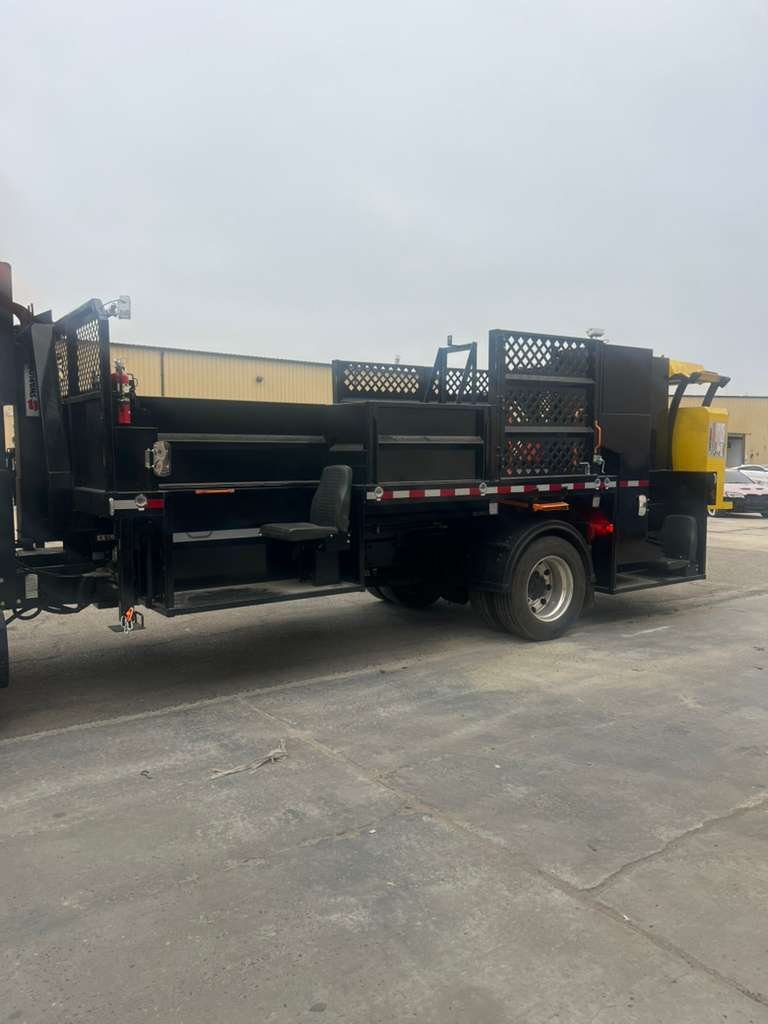
Good work-zone storage is more than a place to put signs. It affects how fast a crew can stage at dawn, how safely a truck can travel between jobs, and how much time is lost sorting equipment after a long shift. For highway contractors, public works teams, fleet managers, and work-zone supervisors, the right layout has to protect the load, keep the driver’s view clear, and make it easy to reach the gear that gets used every day.
That is why buyers should look at road sign storage racks as part of a larger system. The best setup often combines traffic sign storage racks, street sign storage racks, message board placement, and fleet mounting & storage solutions that match the truck, the route, and the type of work. A municipal striping crew does not need the same layout as a utility contractor staging TMA trucks for freeway work, and a fleet that rotates between sign work and barrier response may need a different solution again.
Western Highways Traffic Safety Products works with buyers who need practical equipment decisions, not guesswork. From Fresno and the Central Valley to Texas and across the West Coast, the focus is the same: keep the crew safe, keep the truck organized, and keep the operation moving. If you are weighing a changeable message sign, a portable changeable message sign, an arrow board, or a truck equipped for truck fleet staging or storage, the questions below will help you choose the right path.
What a well-planned storage system should do
A storage system has to solve several problems at once. It should hold signs securely during transport, allow fast access in the field, and leave room for other equipment needed on the same truck. It should also support routine inspection and reduce the chance that crew members will dig through loose gear at the curb or shoulder.
- Secure the load: Signs and boards should stay put during braking, turning, and rough pavement.
- Speed setup: The most-used items should be reachable without unloading the entire truck.
- Protect the operator: The layout should reduce climbing, lifting, and awkward carries.
- Preserve visibility: Stored equipment should not block mirrors, cameras, lights, or the rear path of travel.
- Support mixed work: The truck may need to carry signs one day, cones and boards the next, or support a TMA road assignment with different staging needs.
A common mistake is treating storage as an afterthought. Crews add a rack, then discover the message board, spare parts, or safety tools no longer fit cleanly. Another frequent issue is buying equipment that looks sturdy but does not match the truck body dimensions, so the result is wasted space or a rack that interferes with the tailgate, liftgate, or attenuator access.
Start with the job, not the catalog
Before comparing products, define how the truck is actually used. That decision drives almost everything else.
Ask these questions first
- What types of signs are carried most often: regulatory, warning, detour, school zone, or temporary roadway signs?
- How many signs need to travel on the truck at one time?
- Will the vehicle also carry cones, channelizers, posts, or barricade parts?
- Does the truck need to support an arrow board, changeable message sign, or a larger portable changeable message sign?
- Is the truck a daily route vehicle, a backup unit, or part of an emergency response pool?
- Will the vehicle serve as a TMA truck or support attenuator work where rear access and crash-protection components matter?
- Will the fleet need staging space for mixed assignments, overnight holds, or yard storage?
Once the job profile is clear, it becomes much easier to decide whether a simple sign rack is enough or whether the truck needs a more complete work-zone package with boards, lighting, mounts, and storage compartments.
Storage options buyers usually compare
Different fleets use different vocabulary for similar needs. What matters is the function. The following options come up most often when crews are planning road sign storage and fleet organization.
| Option | Best for | Buyer focus | Tradeoff to watch |
|---|---|---|---|
| Road sign storage racks | Daily sign transport and organized load control | Capacity, hold-down method, ease of loading | May need custom fit for truck body dimensions |
| Traffic sign storage racks | Crew trucks carrying mixed sign sets | Sign sizes supported, access from curb or rear | Poor layout can slow pickup and return |
| Street sign storage racks | Municipal signage and local road crews | Durability, compact footprint, organization | May not suit larger temporary work-zone signs |
| Traffic management traffic sign storage racks | Operations that stage signs for detours, incidents, and lane closures | Rapid access, labeling, and mixed-load flexibility | More complex layouts need better inventory control |
| Fleet mounting & storage solutions | Vehicles carrying boards, tools, and support gear | Integration with truck body, cameras, and lighting | Requires more planning upfront |
| Fleet storage | Yard organization and truck readiness | Parking, staging, and overnight security | Yard space alone does not solve truck-side access issues |
What to inspect before you buy or retrofit
Whether you are ordering a custom truck build or upgrading a current unit, inspect the details that affect day-to-day use. These points are especially important for fleet managers comparing multiple vehicles or standardizing across several branches.
Rack construction and fit
- Material strength: Look for a design that can handle vibration, repeated loading, and long service life.
- Attachment method: Confirm how the rack mounts to the truck body and whether the attachment points suit the actual truck.
- Sign size clearance: Make sure the rack matches the widths and heights of the signs carried by the crew.
- Load stability: Ask how the system keeps signs from shifting during hard stops or rough roads.
- Corrosion resistance: Equipment exposed to road spray, salt, and weather needs appropriate protection.
Access and ergonomics
- Reach height: Can one operator remove the most common signs safely?
- Step pattern: Does the crew need to climb awkwardly to access the load?
- Pinch points: Are there areas where hands, gloves, or sleeves could get caught?
- Night operations: Can the crew identify and retrieve gear in low light?
Integration with other truck equipment
- Message boards: Check whether the storage plan conflicts with a changeable message sign used for road safety and traffic management.
- Arrow boards: Confirm space and mounting for warning devices, especially if the truck also carries lane-control gear. See the guidance on arrow message boards for traffic safety.
- Attenuators: On a TMA truck, rear access, tailboard space, and service clearance matter. Work through the details with the attenuator and body package together.
- Backup systems: Cameras, lighting, and reflective devices should remain visible and unobstructed.
How TMA trucks change the storage conversation
A standard sign truck and a truck-mounted attenuator unit solve different problems. On a TMA-equipped vehicle, the rear of the truck is part of the safety system, so storage decisions have to respect the attenuator package, departure angles, service access, and the daily workflow of the crew.
That is where practical planning matters. A system that works on a general utility body may not work on a Scorpion TMA or Blade TMA setup without adjustment. The truck may need clear zones around the rear frame, enough room for inspection, and a storage pattern that keeps signs and boards from interfering with impact protection or maintenance access.
For buyers comparing TMA road safety options, the best approach is to define the whole vehicle package at once: truck class, body style, attenuator model, board placement, and sign storage layout. Western Highways frequently helps buyers work through those decisions alongside custom traffic control truck builds, custom truck beds, and service support for active fleets.
If the unit also has to stay available for mixed dispatch, a common priority is fast turnaround. That means planning for repair access, routine checks, and a layout that does not require half a day of rearranging equipment before the truck can leave the yard.
Matching storage to the kind of work your crews perform
Not every operation needs the same setup. Buyers can save time and reduce clutter by matching storage to the actual deployment pattern.
Highway and freeway contractors
These crews usually care most about speed, reliability, and clear staging. The truck may carry signs, warning devices, boards, and TMA support gear for night work, lane closures, or incident response. Storage needs to help the crew get in and out quickly without creating a pile of loose equipment in the bed.
For these teams, storage often works best when it is part of a larger truck build. A combined package may include sign racks, board mounts, backup cameras, and vehicle-specific safety equipment. Some buyers also review deployment practices such as those discussed in best practices for deploying TMAs on Texas freeways, even if their own work is outside Texas, because the operational lessons translate well.
Municipal public works and street maintenance
City crews may need a compact truck that can carry street signs, detour markers, and a small assortment of tools. The priorities are durability, simple loading, and easy accountability. A tidy rack system also makes it easier for supervisors to verify that the correct signs returned from the field.
Fleet and utility managers
Utility and fleet teams often want one vehicle to handle multiple roles. That can mean a shift from signage to temporary traffic control to incident staging. In these cases, modular storage and secure partitions are often better than a fixed layout that only works for one assignment.
Rental, lease, or purchase users
If the equipment will be rented, leased, or cycled between jobs, storage has to be easy to understand for different operators. Crews should be able to identify where the signs belong, how the load is secured, and what must be checked before the truck leaves the yard. For buyers comparing ownership paths, Western Highways can help with custom traffic safety truck builds, rentals, leasing, and purchase options.
Comparison points that matter in the yard, not just on paper
Spec sheets are useful, but the real test happens in the yard at 5 a.m. and on the shoulder at 11 p.m. Before approving a rack or truck package, compare the following:
- Loading time: How long does it take to load and unload a full sign set?
- One-person handling: Can a single operator manage the most common items safely?
- Mixed-load compatibility: Does the system still work when the truck also carries an arrow board or message board?
- Service access: Can maintenance crews reach what they need without dismantling the setup?
- Standardization: If you run multiple trucks, can the same storage logic be used across the fleet?
- Inventory control: Can supervisors tell at a glance what is missing?
- Overnight security: Will the gear stay secure in a yard, staging area, or depot?
For a broader view of improving the whole truck, it can also help to review the common upgrades outlined in five must-have upgrades for a safety truck. Storage is only one piece of the operator’s workflow, but it often has an outsized effect on readiness.
Common mistakes that slow crews down
Many storage problems show up only after the truck has been in service for a few months. These are the issues buyers should avoid from the start.
- Overfilling the truck: Too many sign types and boards on one unit create clutter and slow deployment.
- Ignoring rack geometry: A rack that is too tall, too wide, or poorly positioned can make routine tasks awkward.
- Forgetting future use: The truck may need different equipment next season or on a new contract.
- Not checking compatibility: Some racks and mounts will not play well with attenuators, liftgates, or side-access compartments.
- Skipping inspection access: If the rack blocks bolts, lights, or service points, upkeep becomes harder and less consistent.
- Using the wrong truck class: Capacity needs vary by vehicle class, body configuration, and route. A larger sign package may be better suited to a different truck build.
If a fleet already has older equipment, a used-unit review should include the storage layout as part of the inspection. Western Highways offers practical guidance in resources such as analyzing a used TMA truck in terms of highway safety, which is useful when evaluating whether the current truck still fits the fleet’s real needs.
What to verify before final approval
Before a purchase order or build sheet is signed, verify the documents and details that can affect field use and agency acceptance. Requirements vary by project, state, and equipment manufacturer, so the buyer should confirm current specifications with the applicable DOT, agency, or qualified professional.
- Truck dimensions and body type: Confirm the actual chassis, bed, and mounting points.
- Equipment list: Identify every board, sign size, and tool that must ride on the truck.
- Mounting plan: Review where each item will be installed and how it will be secured.
- Maintenance access: Make sure service work can still be performed without major disassembly.
- Operational role: Confirm whether the truck is for lane closure work, incident response, sign transport, or mixed dispatch.
- Project or agency requirements: Check any relevant safety, visibility, or vehicle compliance rules before finalizing the build.
For buyers who need support beyond racks alone, Western Highways can help coordinate fleet storage, truck builds, and equipment packages from the West Coast inventory base in Fresno, with satellite support in Justin, Texas. That matters when a fleet needs practical delivery or pickup planning, or when a project calls for quick alignment between the truck body and the work-zone package.
When a custom build makes more sense than retrofitting
Retrofits work well when the truck already fits the mission and only the storage layout needs improvement. A custom build makes more sense when the vehicle must do several jobs at once, or when the current body cannot support the equipment properly.
Consider a custom build if:
- the truck must carry signs, boards, and safety gear without crowding the operator;
- the vehicle also serves as a TMA truck or attenuator unit;
- the fleet wants consistent layouts across multiple vehicles;
- the current truck body makes access awkward or unsafe;
- the operation needs a better fit for road safety products Florida style procurement requirements, West Coast logistics, or multi-state fleet use;
- the agency wants a single package that supports sign transport, staging, and deployment.
Custom builds are especially useful when the crew needs a balanced package that includes traffic management traffic sign storage racks, a message board, and an attenuator-equipped rear end without sacrificing operator efficiency.
Quick procurement checklist
Use this checklist during supplier calls, internal reviews, or yard inspections.
| Checklist item | What to confirm |
|---|---|
| Primary truck role | Sign transport, lane closure support, incident response, or mixed fleet duty |
| Rack fit | Matches sign sizes, truck body dimensions, and access path |
| Load security | No shifting, rattling, or loose contact points in transit |
| Board integration | Space and mounts for arrow boards or a changeable message sign |
| Attenuator compatibility | No interference with rear safety equipment or service access |
| Operator access | Safe reach, visible labels, and reasonable loading effort |
| Fleet standardization | Consistent setup across similar trucks when possible |
| Support path | Repair, modification, leasing, purchase, or custom-build support available |
Where Western Highways fits into the decision
Buyers rarely need just one product. A safe, efficient package may include truck-mounted attenuators, TMA trucks, arrow boards, message boards, sign storage, and body work that all need to function together. That is where working with a specialist helps.
Western Highways Traffic Safety Products supports buyers who need practical guidance on Scorpion and Blade TMA solutions, Metro TMA, TMA Pro, TMA Max, truck builds, and storage systems that fit the real job. The company also supports rentals, leasing, purchase options, service-center needs, and repairs for fleets that cannot afford long downtime. For active fleets, that combination can be more useful than shopping each item separately.
If your operation needs help thinking through truck fleet staging, sign transport, and rear-impact protection together, the right next step is a call with the actual truck data in hand. The team can help you compare options, check fit, and avoid a setup that looks good on paper but slows the crew in the field.
Best-fit summary
If your trucks mainly move signs, a straightforward rack package may be enough. If the vehicles also carry boards, detour equipment, or attenuator systems, the storage plan should be built around the whole truck, not one accessory at a time. The safest and most efficient fleets usually standardize the layout, keep the most-used gear easy to reach, and leave room for maintenance access and future changes.
Call Western Highways Traffic Safety Products at (559) 394-7762 for help choosing the right TMA truck, attenuator, sign storage, arrow board, message board, rental, leasing, purchase, or custom truck solution. Before you call, have the truck make and model, body dimensions, sign sizes, current equipment list, and your daily use case ready so the team can help you compare the best fit faster.
