
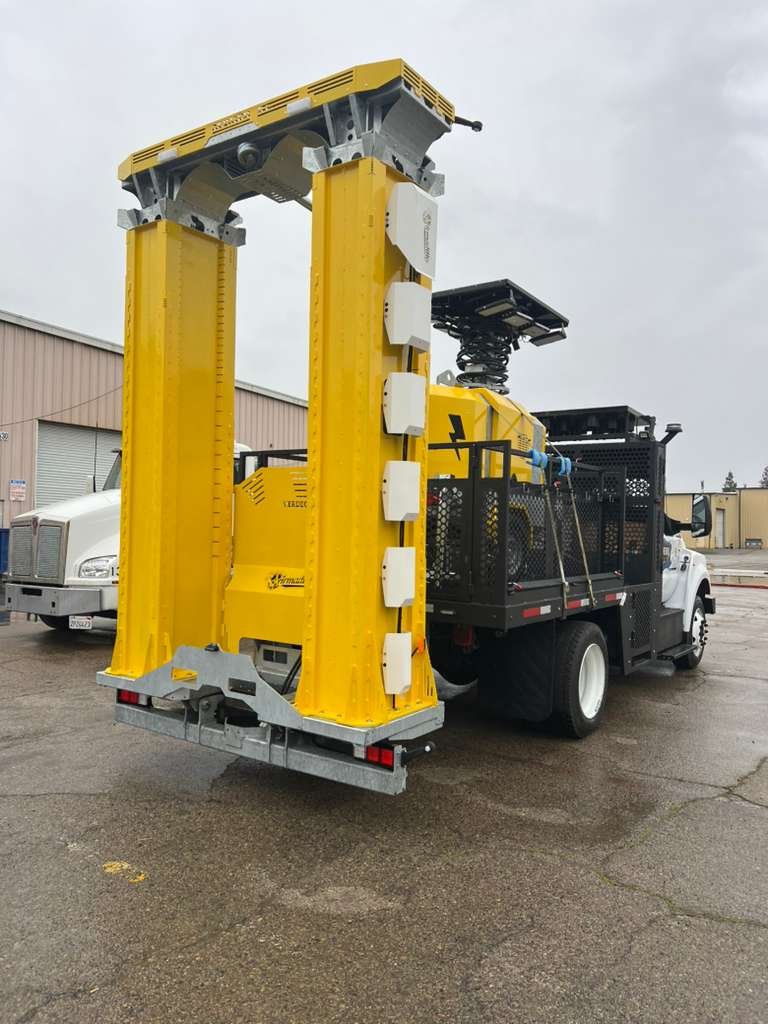
Field guide for buying, renting, and deploying truck-mounted attenuators
Protecting a moving work zone is not only about adding impact protection behind a truck. It is about building a dependable safety package that fits the job, the road speed, the crew size, the truck chassis, and the way your team actually works in the field. A highway contractor on a short-duration lane closure may need a different setup than a municipality managing recurring shoulder work. A fleet manager with multiple routes will weigh serviceability and parts access differently than a one-time rental customer. A public works buyer may need the same attenuator truck to support traffic control on weekdays and emergency response after hours.
The practical questions are usually the same: what is a truck mounted attenuator for this application, which truck mounted attenuator model fits the truck, and whether it makes more sense to buy, lease, or arrange a truck mounted attenuator rental. From there, the decision expands into the details that matter in the field: which truck class is appropriate, whether the rear warning package is strong enough, how repairs are handled, what documents your agency or prime contractor will ask for, and how quickly the unit can get back to work if it is damaged.
Western Highways Traffic Safety Products works with West Coast and nationwide buyers who need a complete, usable answer rather than a parts list. That can include a tma truck mounted attenuator, a crash attenuator truck, traffic control trucks, truck mounted message boards, truck mounted arrow boards, storage racks, custom beds, rentals, leasing, purchase options, and service support. The best outcome is the one that keeps crews visible, keeps the vehicle ready, and reduces downtime when the schedule is already tight.
What to decide first
Start with the job, not the brand name. A buyer can compare Scorpion, Blade, Metro TMA, TMA Pro, or TMA Max all day, but the first filter is whether the truck and attenuator match the work zone conditions. Ask three basic questions:
- What type of roadway will the unit protect: freeway shoulder, arterial lane closure, ramp work, city street, bridge approach, or utility corridor?
- How fast is the traffic, and how much exposure will the shadow vehicle or truck face?
- Will the unit be used every day, only on certain projects, or as a backup during peak demand?
Those answers determine the likely truck class, visibility package, cab equipment, service expectation, and whether you should prioritize rental flexibility or long-term ownership. A short project with unpredictable dates may justify attenuator truck rental. A municipal fleet with steady need may benefit from purchase, a lease structure, or a custom build designed around the agency’s standard operating procedures.
Quick recommendation
If your work zones are recurring and your team is responsible for daily deployment, look first at a complete attenuator truck package with supportable parts access, clear inspection records, and visibility equipment already integrated. If your need is project-based, ask about rentals and pickup or delivery options before you settle on a purchase. If your crews are spread across multiple sites, a setup that combines the attenuator with a message board or arrow board may reduce the number of vehicles you need on the shoulder.
Truck-mounted attenuator basics without the jargon
A truck attenuator is an energy-absorbing device mounted to the rear of a truck or trailer-based work vehicle to help reduce the severity of a rear-end impact. In field use, the attenuator is part of a larger protection strategy: it creates a buffer behind workers, devices, or a lead truck traveling in a lane or on a shoulder.
People also refer to these vehicles as an attenuator truck, what is an attenuator truck, or a crash attenuator truck. Those labels can describe the same basic role, but the actual equipment package varies. Some trucks are built as dedicated TMA units. Others are general traffic control trucks fitted with a rear attenuator, sign racks, a beacon package, a message board, and storage for cones or channelizing devices.
Because the attenuator is part of a truck system, not a stand-alone accessory, the truck chassis, body layout, rear lighting, and storage all matter. A unit that performs well on paper can still become a headache if it is difficult to inspect, if the bed configuration blocks access, or if parts replacement takes too long.
How does a truck-mounted attenuator enhance safety in work zones?
The key benefit is that it gives the crew a sacrificial layer between traffic and the people or equipment ahead. In active work zones, rear-end impacts are a real concern. The attenuator is meant to help absorb and manage impact energy, reduce intrusion, and create a clearer separation between moving traffic and roadside operations.
That safety value grows when the truck is correctly positioned and correctly supported. The attenuator does not replace positioning discipline, lane closure planning, or visibility equipment. It works best when the driver, spotter, and supervisor treat it as part of a complete setup that includes:
- Proper shadow vehicle placement
- A clear taper or lane closure sequence
- Bright rear conspicuity and beacons
- Truck mounted arrow boards or message boards where the job calls for advance notice
- Trained operators who know when to move, hold, or reposition
In practice, the best safety improvement often comes from the combination. A well-placed TMA truck with warning devices and disciplined operations is far more effective than a truck with an attenuator alone.
Comparing attenuator options the way buyers actually do it
Buyers usually compare a few core factors before they ask for a quote. The table below is a practical way to think through the decision.
| Decision factor | What to look at | Why it matters |
|---|---|---|
| Work zone type | Freeway, arterial, ramp, bridge, utility, or city street use | Road speed, maneuvering room, and exposure change the setup |
| Truck compatibility | Chassis class, rear structure, weight limits, bed layout | The attenuator must fit the vehicle and remain serviceable |
| Visibility package | Beacons, strobes, truck mounted arrow boards, truck mounted message boards | Warning equipment supports the attenuator and reduces surprise events |
| Support plan | Repairs, parts, inspection help, service center access | Downtime can cost more than the initial purchase decision |
| Acquisition method | Purchase, lease, rental, or short-term deployment | Cash flow and project length affect the right ownership model |
| Documentation | Project specs, manufacturer materials, agency requirements, maintenance records | Verification helps avoid a unit that cannot be deployed as intended |
Scorpion, Blade, Metro TMA, TMA Pro, and TMA Max: what buyers should compare
Model names are only useful if they help you narrow the right fit. A buyer might ask for a scorpion truck mounted attenuator or a Scorpion truck mounted attenuator because that is the model already familiar to the fleet. Another team may be comparing a Blade configuration for a custom truck build. Still others may need a Metro TMA, TMA Pro, or TMA Max to align with existing vehicles and service routines.
What should be compared?
- Vehicle compatibility: Will the model work with the truck class, bed height, and rear chassis arrangement?
- Deployment and stow position: Does it support the way your crew stages, parks, and moves between locations?
- Maintenance access: Can technicians inspect wear points and replace damaged components efficiently?
- Parts and service availability: Is local or regional support realistic for your territory?
- Operational familiarity: Will the same operator training work across your fleet?
If you are trying to understand scorpion truck mounted attenuator price, be careful not to treat price as a stand-alone number. Total cost depends on the truck, installation, lighting, racks, repair requirements, and the service model behind the equipment. A lower initial quote may not be the better value if the unit spends too much time out of service.
Rental, lease, or purchase: how to choose without overbuying
There is no single right answer for every fleet. The most efficient choice depends on use frequency, budget timing, and how much downtime you can tolerate.
When rental makes sense
- Short-duration project with a fixed end date
- Emergency response or surge demand
- Need to cover a temporary gap while a unit is in repair
- Testing a configuration before buying
A truck mounted attenuator rental or attenuator truck rental can be the simplest way to keep a project moving while preserving capital. Rental also helps when your crew needs a known, deployable setup quickly and cannot wait for a long lead time.
When purchase makes sense
- Daily or weekly use across recurring routes
- Long-term fleet standardization
- Agency preference for owned assets and controlled maintenance
- Need to customize the truck bed, storage, or visibility package
If the unit is used constantly, a truck mounted attenuator for sale may be the better long-range decision, especially when paired with a support plan and spare parts planning. Ownership is often the right answer for fleets that want to standardize procedures and reduce the churn of repeated rentals.
When leasing deserves a close look
- You need predictable monthly costs
- You want newer equipment without a large up-front purchase
- Budget rules favor operating expense structures
- You expect demand to continue but do not want to overcommit capital
For some buyers, leasing a TMA truck or a complete traffic control truck package helps bridge the gap between short-term flexibility and long-term asset control.
Inspection worksheet before you sign a purchase order
Whether you are buying used or new, the inspection should be practical and consistent. A truck-mounted attenuator is only useful if it is ready to deploy, visible, supported, and accepted by the project requirements.
Check the truck first
- Chassis class and gross vehicle weight rating match the application
- Brakes, tires, suspension, and lights are in working condition
- Cab warning systems are functional
- Backing visibility is acceptable, and backup cameras are in place if required
- Bed, frame, and rear mounting points show no obvious damage or corrosion
Check the attenuator system next
- No visible impact damage, deformation, or loose components
- Stow and deployment mechanism works smoothly
- Warning labels, mounting hardware, and safety components are intact
- Documentation matches the installed model and truck configuration
- Any required repair history is available and understandable
Check the field support package
- Truck mounted message boards or arrow boards are included if the job needs them
- Storage for cones, signs, or devices is clean and accessible
- Service records are organized
- Spare parts and repair pathways are identified
If you are evaluating a used unit, internal guidance such as the used TMA truck safety review can help structure the discussion before you commit.
Common mistakes that create downtime or risk
The most expensive mistakes are usually not dramatic. They are the small mismatches that lead to slow deployment, repeated repairs, or a truck that never quite fits the job.
- Buying the attenuator before confirming the chassis: The truck and attenuator need to work as a system.
- Ignoring service access: A difficult repair path can leave the unit parked when you need it most.
- Overlooking visibility equipment: An attenuator is not enough without clear warnings and lane guidance.
- Assuming every job needs the same setup: Urban work and freeway work often call for different packages.
- Failing to train every operator: Different drivers can use the same truck very differently.
- Not planning for storage and transport: Sign racks, boards, and cones need organized space, not improvisation.
Fleet teams also get into trouble when they treat repair work as an afterthought. A damaged attenuator, or even a vehicle with a faulty board or rack, can idle a whole lane closure plan. If the unit is already in service, a repair relationship matters just as much as the initial sale.
Training and operator readiness
Truck mounted attenuator training is not just a classroom item. It should connect directly to the way the truck is deployed, staged, and inspected. Operators need to know when the attenuator is stowed, when it is deployed, how to position the truck relative to live traffic, and what visual checks to do before the shift begins.
Training topics worth covering include:
- Pre-trip inspection and documentation
- Stow/deploy steps for the specific model
- Safe positioning in lanes and shoulders
- Use of arrow boards and message boards
- Spotter communication and radio protocol
- Post-impact procedures and reporting
If your organization uses multiple truck classes or multiple attenuator models, training should be standardized enough that an operator can move from one unit to another without relearning the basics. That is especially important for contractors and public agencies with rotating crews.
Support equipment that makes the attenuator truck more useful
The best attenuator truck is often the one that does more than absorb impact. Buyers frequently add equipment that improves visibility, storage, and field efficiency.
Truck mounted arrow boards
Arrow boards give drivers clearer lane guidance and help traffic merge earlier. They are especially useful on freeway work, lane shifts, and overnight closures. If your crews are often behind the truck, an arrow board can reduce confusion and improve the spacing around the work zone.
Truck mounted message boards
Message boards support advance warning, detour instructions, and project-specific notices. For agencies and contractors managing changing conditions, this can reduce the number of signs that must be placed and collected by hand.
Traffic sign storage racks and fleet storage
Organized storage matters more than many buyers expect. When signs, cones, and related devices are secure and easy to reach, the truck turns faster and crews waste less time staging materials. Products such as 3s swing racks or other rack systems can help keep the bed organized, depending on how your team loads and unloads equipment.
Custom truck builds
Some fleets need a purpose-built configuration. A custom truck build may combine an attenuator, board, lighting, racks, and a bed arranged specifically around your routes and crew habits. For buyers who want to align the truck with how the work is actually done, custom builds can eliminate a lot of daily friction.
What public agencies and contractors should verify before deployment
Do not assume the same setup will pass every project review. Specifications can differ across state DOTs, municipalities, utility owners, and prime contractors. Before deployment, confirm the following:
- Required truck class or vehicle type
- Required visibility devices and placement
- Any project-specific attenuator model requirements
- Inspection forms and maintenance log expectations
- Rental, lease, or owned-equipment rules
- Any local or job-specific work-zone traffic control plan requirements
For Texas freeway applications, buyers often review field practices and deployment details carefully. The article on deploying TMAs on Texas freeways is a useful reference point for teams that need a disciplined roadway setup.
Service, repairs, and downtime planning
Even a well-built tma truck or attenuator truck will eventually need maintenance. Impact events, wear, electrical issues, damaged boards, and rack problems can all remove a truck from service. The real question is not whether repairs happen, but how quickly you can put the unit back to work.
A strong support plan should include:
- Repair access for attenuator components and truck body issues
- Inspection help after an impact or suspected damage
- Replacement planning for boards, lights, and storage components
- Clear communication about parts availability and turnaround
Some buyers keep a backup rental option ready so the work schedule does not stall while the primary truck is in service. Others use a repair relationship to maintain one or two dedicated units and rotate them through service as needed. If you are facing repeated maintenance events, resources like 24/7 equipment repair for TMA trucks can help frame the urgency of having a real recovery plan.
Practical buying questions to ask before you commit
- What is included in the quote besides the attenuator itself?
- Does the truck configuration already support our typical work zones?
- How will the unit be serviced if it is damaged or fails inspection?
- Are rentals, leasing, and purchase available for the same model family?
- Can the truck be delivered, picked up, or supported in our region?
- What operator training is recommended for the exact setup we are considering?
- Which documents should we keep on file for the agency, client, or prime contractor?
Those questions are especially important if you are comparing a truck mounted attenuator for sale with a rental or lease. They also help when a procurement team is reviewing a fleet refresh and needs to justify the selection to management or a project owner.
Regional support matters more than many buyers expect
For West Coast and nationwide buyers, geography affects service, logistics, and downtime. A fleet based in California may need support that is easy to coordinate from Fresno or surrounding markets. Buyers with operations in Texas may prefer a satellite support path that reduces delays for rentals, repairs, or pickup. If your crews move between regions, a supplier that understands both West Coast and broader national traffic safety needs can simplify a lot of decisions.
Western Highways Traffic Safety Products supports buyers from Fresno, Justin, and beyond with a practical mix of inventory, custom work, rentals, leasing, and service support. That matters when you need more than a box on a pallet. It matters when you need the right truck, the right attenuation package, and the right follow-up if something changes during the project.
Related resources on the site can also help if you are comparing visibility or truck setup options, including arrow and message board solutions and custom traffic control trucks.
Best-fit summary for buyers
If your need is recurring and operationally demanding, focus on a complete attenuator truck system that can be maintained, trained on, and supported over time. If your need is temporary, compare rental options before spending capital. If your fleet needs a tailored configuration, ask for a custom build that combines the attenuator, storage, and warning devices your crews actually use.
The best truck mounted attenuator decision usually comes down to four things: fit, visibility, serviceability, and uptime. Get those right and the rest of the program gets easier.
Call Western Highways Traffic Safety Products at (559) 394-7762 for help choosing the right TMA truck, attenuator, sign storage, arrow board, message board, rental, leasing, purchase, or custom truck solution. Before you call, have your truck class, work zone type, preferred acquisition method, and any project or agency requirements ready so the conversation can get to the right equipment faster.
