The Engineering Behind High-Performance TMA Crash Cushions

The Engineering Behind High-Performance TMA Crash Cushions

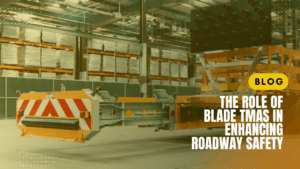
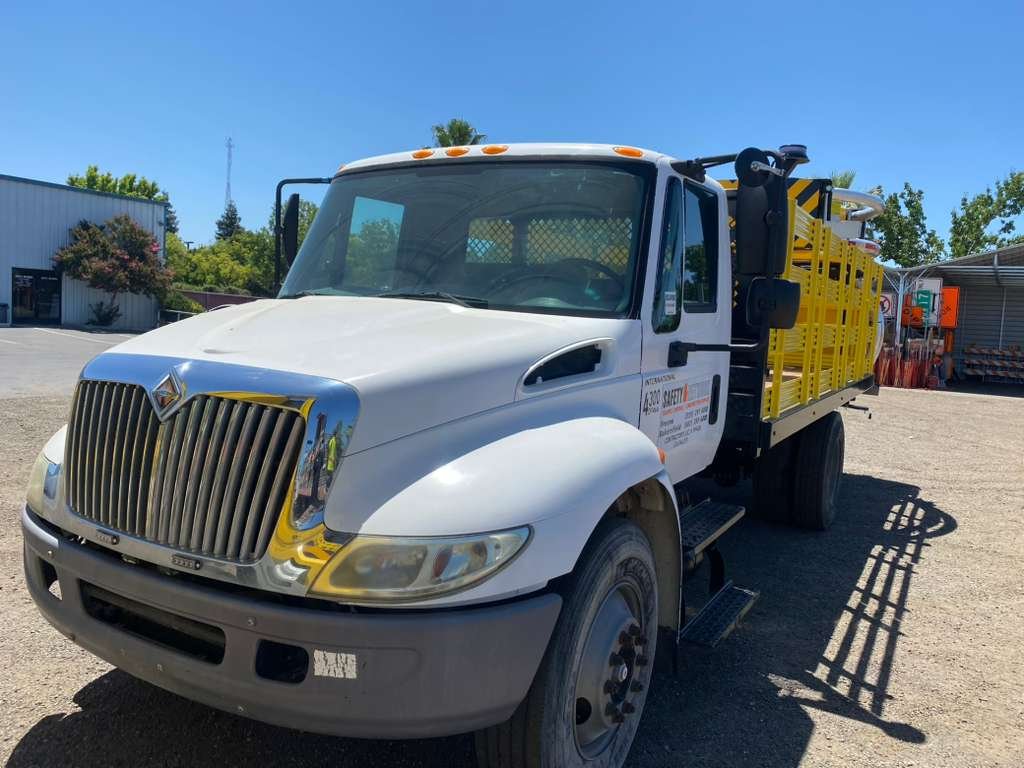
Truck-Mounted Attenuators (TMAs), also known as crash cushions or shadow vehicles, are among the most critical pieces of safety equipment in modern work zones. When a distracted or speeding vehicle strikes a TMA from behind, the attenuator is designed to absorb and dissipate the impact energy in a controlled manner, protecting both the roadway workers ahead and the occupants of the striking vehicle. (TMA crash cushion)
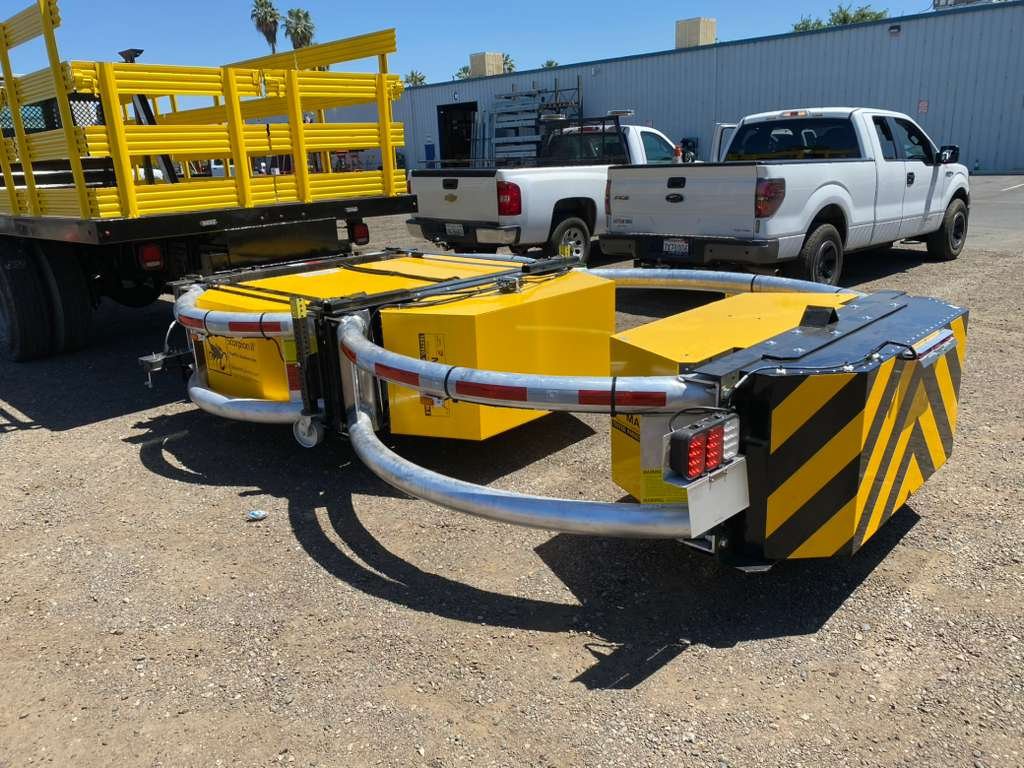
Truck-Mounted Attenuators (TMAs), also known as crash cushions or shadow vehicles, are among the most critical pieces of safety equipment in modern work zones. When a distracted or speeding vehicle strikes a TMA from behind, the attenuator is designed to absorb and dissipate the impact energy in a controlled manner, protecting both the roadway workers ahead and the occupants of the striking vehicle.
Western Highways Traffic Safety has installed and maintained MASH-certified TMA systems on more than 680 vehicles across California since 2008. Every unit we deliver is engineered to meet the strictest current standards — MASH 2016 TL-3 — and has been proven effective in real-world high-speed impacts. This article explains the engineering principles, testing standards, and design features that make modern high-performance TMA crash cushions effective at saving lives.
1. Understanding the Physics of Impact Energy
A vehicle traveling at 70 mph (113 km/h) carries enormous kinetic energy. For a typical 2,270 kg (5,000 lb) pickup truck, this energy is approximately 450–500 kilojoules. Without mitigation, that energy is transferred directly into whatever it strikes — usually with catastrophic results for workers or equipment.
A high-performance TMA converts that kinetic energy into controlled deformation through:

Progressive crush zones — engineered materials that collapse in a predictable, staged manner
Energy-absorbing cartridges — typically aluminum honeycomb or similar cellular structures
Structural anchoring — the host truck’s mass (minimum 26,000 lb GVWR for TL-3) prevents the TMA from being pushed into the work area

The goal is to bring the impacting vehicle to a stop within the attenuator’s designed length (usually 18–22 feet) while maintaining occupant compartment integrity and preventing underride or vaulting.
2. MASH 2016 TL-3 – The Current Gold Standard
The Manual for Assessing Safety Hardware (MASH) 2016 is the current federal standard for roadside safety devices in the United States. TL-3 (Test Level 3) is the minimum requirement for most high-speed work zones (≥55 mph).
MASH TL-3 tests include:

62 mph (100 km/h) small car impact (1100C)
70 mph (113 km/h) pickup truck impact (2270P)

Both tests evaluate:

Structural adequacy (no penetration into the occupant compartment)
Occupant risk (acceleration and forces experienced by dummy)
Vehicle trajectory (no excessive vaulting or underride)

Every Verdegro, Scorpion II, TrafFix, and Trinity TMA we supply carries a current FHWA acceptance letter confirming successful completion of these tests.
3. Key Engineering Features of High-Performance TMAs
Aluminum Honeycomb Cartridges
The heart of a modern TMA is the energy-absorbing cartridge. Aluminum honeycomb is chosen because it:

Crushes in a highly predictable, progressive manner
Provides consistent energy absorption across a wide temperature range
Is lightweight yet extremely strong
Can be replaced quickly in the field after an impact

Mounting & Structural Integrity
The TMA must be securely mounted to a heavy host truck. Critical elements include:

Reinforced mounting brackets with precise torque specifications
Load distribution plates to prevent frame damage
Correct height alignment (typically 2.5–3.0 ft to ground)

Lighting & Visibility Systems
A TMA is only effective if drivers see it in time. Modern units include:

60×30 inch full-matrix Type C arrow boards with sequential chevrons
Auto-dimming LEDs (5,000+ nits)
4-corner strobes and work lights providing minimum 10 foot-candles in the work area

Stow & Deployment Mechanisms

90° vertical stow for low-clearance routes
Scissor-lift or fixed-tilt options for faster deployment
Hydraulic or electric systems with redundant safety locks

4. Real-World Performance in California Conditions
California presents unique challenges: high speeds on freeways, coastal corrosion, Santa Ana winds, and frequent night work.
Verdegro and Scorpion II units supplied by Western Highways have demonstrated:

Successful absorption of impacts up to 68 mph with no penetration into the shadow vehicle cab
Excellent performance in coastal salt air (hot-dip galvanized frames and aluminum cartridges)
Reliable operation in temperatures from 20°F to 115°F
Wind resistance up to 100 mph when properly deployed

5. Why Professional Installation & Maintenance Matter
Even the best TMA design fails if installation or maintenance is substandard.
Critical installation requirements:

Precise torque on all mounting bolts (typically 180–220 ft-lb)
Correct alignment and height
Full electrical integration with truck signals
Proper weight distribution and ballast

Ongoing maintenance we recommend:

Daily visual cartridge inspection
Weekly lighting and battery checks
Monthly reflectivity testing on arrow boards
Quarterly hydraulic and structural inspection
Immediate cartridge replacement after any impact

Western Highways provides complete documentation and service programs to keep every TMA fully compliant and ready.
6. Choosing the Right TMA for Your Operation
Not every TMA is suitable for every job. Key factors include:

Posted speed limit (TL-2 vs TL-3)
Host truck GVWR
Clearance restrictions (bridges, overpasses)
Daily vs long-term stationary use
Frequency of moves (scissor-lift vs fixed-tilt)

Western Highways offers free consultation to help contractors select the optimal configuration for their specific work types and fleet.
Why Contractors Trust Western Highways for TMA Solutions

Authorized dealer for Verdegro, Scorpion II, TrafFix, and Trinity
In-house upfit, wiring, and certification shop
Full MASH documentation and Caltrans compliance packages
Same-day/next-day delivery and installation
Comprehensive parts inventory and 24/7 emergency support

Our TMA trucks have been struck multiple times at highway speeds. In every documented case, the attenuator performed as designed, protecting both the striking driver and our client’s crew.
Frequently Asked Questions
Is a TL-2 TMA acceptable on high-speed roads?
No. Caltrans and FHWA require TL-3 for facilities with posted speeds of 55 mph and above.
How often should the cartridge be replaced?
After any impact, even low-speed. Normal service life is 12–15 years with proper maintenance.
Can I retrofit a Verdegro TMA on my existing truck?
Yes — we perform complete retrofits with new wiring, lighting, and certification.
What is the typical cost range?
New Verdegro-equipped trucks range from $68,000–$115,000 depending on chassis and options. Retrofits are significantly less.
How do I get started?
Call (559) 785-1400 or email info@westernhighwaystrafficsafety.com for current inventory and a free consultation.
The Bottom Line: Engineering That Saves Lives
High-performance TMA crash cushions are not just equipment — they are engineered life-saving devices. When properly selected, professionally installed, and diligently maintained, they provide the critical protection workers and drivers need in high-risk work zones.
Western Highways Traffic Safety combines factory-authorized Verdegro and other MASH TL-3 systems with expert installation and ongoing support to deliver the highest level of roadside protection available in California.
Call (559) 785-1400 or email info@westernhighwaystrafficsafety.com to discuss your high-speed project needs.
Visit Western Highways Traffic Safety or follow on Instagram and YouTube Shorts for real installation and crash-test footage.
When the next impact happens, make sure your crew is protected by equipment that was engineered — and installed — the right way. international ()

Western Highways Traffic Safety has installed and maintained MASH-certified TMA systems on more than 680 vehicles across California since 2008. Every unit we deliver is engineered to meet the strictest current standards — MASH 2016 TL-3 — and has been proven effective in real-world high-speed impacts. This article explains the engineering principles, testing standards, and design features that make modern high-performance TMA crash cushions effective at saving lives.

1. Understanding the Physics of Impact Energy

A vehicle traveling at 70 mph (113 km/h) carries enormous kinetic energy. For a typical 2,270 kg (5,000 lb) pickup truck, this energy is approximately 450–500 kilojoules. Without mitigation, that energy is transferred directly into whatever it strikes — usually with catastrophic results for workers or equipment.

A high-performance TMA converts that kinetic energy into controlled deformation through:

  • Progressive crush zones — engineered materials that collapse in a predictable, staged manner
  • Energy-absorbing cartridges — typically aluminum honeycomb or similar cellular structures
  • Structural anchoring — the host truck’s mass (minimum 26,000 lb GVWR for TL-3) prevents the TMA from being pushed into the work area

The goal is to bring the impacting vehicle to a stop within the attenuator’s designed length (usually 18–22 feet) while maintaining occupant compartment integrity and preventing underride or vaulting.

2. MASH 2016 TL-3 – The Current Gold Standard

The Manual for Assessing Safety Hardware (MASH) 2016 is the current federal standard for roadside safety devices in the United States. (TMA crash cushion). TL-3 (Test Level 3) is the minimum requirement for most high-speed work zones (≥55 mph).

MASH TL-3 tests include:

  • 62 mph (100 km/h) small car impact (1100C)
  • 70 mph (113 km/h) pickup truck impact (2270P)

Both tests evaluate:

  • Structural adequacy (no penetration into the occupant compartment)
  • Occupant risk (acceleration and forces experienced by dummy)
  • Vehicle trajectory (no excessive vaulting or underride)

Every Verdegro, Scorpion II, TrafFix, and Trinity TMA we supply carries a current FHWA acceptance letter confirming successful completion of these tests.

3. Key Engineering Features of High-Performance TMAs

Aluminum Honeycomb Cartridges The heart of a modern TMA is the energy-absorbing cartridge. Aluminum honeycomb is chosen because it:

  • Crushes in a highly predictable, progressive manner
  • Provides consistent energy absorption across a wide temperature range
  • Is lightweight yet extremely strong
  • Can be replaced quickly in the field after an impact

Mounting & Structural Integrity The TMA must be securely mounted to a heavy host truck. Critical elements include:

  • Reinforced mounting brackets with precise torque specifications
  • Load distribution plates to prevent frame damage
  • Correct height alignment (typically 2.5–3.0 ft to ground)

Lighting & Visibility Systems A TMA is only effective if drivers see it in time. Modern units include:

  • 60×30 inch full-matrix Type C arrow boards with sequential chevrons
  • Auto-dimming LEDs (5,000+ nits)
  • 4-corner strobes and work lights providing minimum 10 foot-candles in the work area

Stow & Deployment Mechanisms

  • 90° vertical stow for low-clearance routes
  • Scissor-lift or fixed-tilt options for faster deployment
  • Hydraulic or electric systems with redundant safety locks

4. Real-World Performance in California Conditions

California presents unique challenges: high speeds on freeways, coastal corrosion, Santa Ana winds, and frequent night work.

Verdegro and Scorpion II units supplied by Western Highways have demonstrated:

  • Successful absorption of impacts up to 68 mph with no penetration into the shadow vehicle cab
  • Excellent performance in coastal salt air (hot-dip galvanized frames and aluminum cartridges)
  • Reliable operation in temperatures from 20°F to 115°F
  • Wind resistance up to 100 mph when properly deployed

5. Why Professional Installation & Maintenance Matter

Even the best TMA design fails if installation or maintenance is substandard.

Critical installation requirements:

  • Precise torque on all mounting bolts (typically 180–220 ft-lb)
  • Correct alignment and height
  • Full electrical integration with truck signals
  • Proper weight distribution and ballast

Ongoing maintenance we recommend:

  • Daily visual cartridge inspection
  • Weekly lighting and battery checks
  • Monthly reflectivity testing on arrow boards
  • Quarterly hydraulic and structural inspection
  • Immediate cartridge replacement after any impact

Western Highways provides complete documentation and service programs to keep every TMA fully compliant and ready.

6. Choosing the Right TMA for Your Operation

Not every TMA is suitable for every job. Key factors include:

  • Posted speed limit (TL-2 vs TL-3)
  • Host truck GVWR
  • Clearance restrictions (bridges, overpasses)
  • Daily vs long-term stationary use
  • Frequency of moves (scissor-lift vs fixed-tilt)

Western Highways offers free consultation to help contractors select the optimal configuration for their specific work types and fleet.

Why Contractors Trust Western Highways for TMA Solutions

  • Authorized dealer for Verdegro, Scorpion II, TrafFix, and Trinity
  • In-house upfit, wiring, and certification shop
  • Full MASH documentation and Caltrans compliance packages
  • Same-day/next-day delivery and installation
  • Comprehensive parts inventory and 24/7 emergency support

Our TMA trucks have been struck multiple times at highway speeds. In every documented case, the attenuator performed as designed, protecting both the striking driver and our client’s crew.

Frequently Asked Questions

Is a TL-2 TMA acceptable on high-speed roads? No. Caltrans and FHWA require TL-3 for facilities with posted speeds of 55 mph and above.

How often should the cartridge be replaced? After any impact, even low-speed. Normal service life is 12–15 years with proper maintenance.

Can I retrofit a Verdegro TMA on my existing truck? Yes — we perform complete retrofits with new wiring, lighting, and certification.

What is the typical cost range? New Verdegro-equipped trucks range from $68,000–$115,000 depending on chassis and options. Retrofits are significantly less.

How do I get started? Call (559) 785-1400 or email info@westernhighwaystrafficsafety.com for current inventory and a free consultation.

The Bottom Line: Engineering That Saves Lives

High-performance TMA crash cushions are not just equipment — they are engineered life-saving devices. When properly selected, professionally installed, and diligently maintained, they provide the critical protection workers and drivers need in high-risk work zones.

Western Highways Traffic Safety combines factory-authorized Verdegro and other MASH TL-3 systems with expert installation and ongoing support to deliver the highest level of roadside protection available in California.

Call (559) 785-1400 or email info@westernhighwaystrafficsafety.com to discuss your high-speed project needs.

Visit Western Highways Traffic Safety or follow on Instagram and YouTube Shorts for real installation and crash-test footage.

When the next impact happens, make sure your crew is protected by equipment that was engineered — and installed — the right way.
Facebook
WhatsApp
Twitter
LinkedIn
Pinterest

Leave a Reply