California winters may be milder than other states, but they still bring rain, frost, wind, and occasional freezing temperatures that can damage traffic safety equipment. A poorly prepared TMA truck, arrow board, or message board can fail when you need it most — leading to downtime, failed inspections, increased safety risks, and costly repairs during peak season.
Western Highways Traffic Safety helps contractors across California properly winterize their fleets every year. With extensive experience maintaining TMA trucks, attenuators, arrow boards, and other work zone devices, we know exactly what cold-weather preparation looks like and how it prevents expensive problems.
This guide explains why winterizing matters, the specific steps you should take for your traffic safety equipment, and how our professional winterization service keeps your fleet ready and reliable.
Why Winterizing Your Traffic Safety Fleet Is Essential
Even in California, winter conditions can cause significant damage:
- Rain and moisture lead to corrosion and electrical failures
- Freezing temperatures can crack hydraulic lines and damage batteries
- Wind and debris affect unsecured or poorly stored equipment
- Reduced usage during slower winter months increases storage-related risks
Proper winterization protects your investment, reduces spring startup issues, and ensures your equipment is ready when construction season ramps up again.
Key Equipment That Needs Winter Preparation
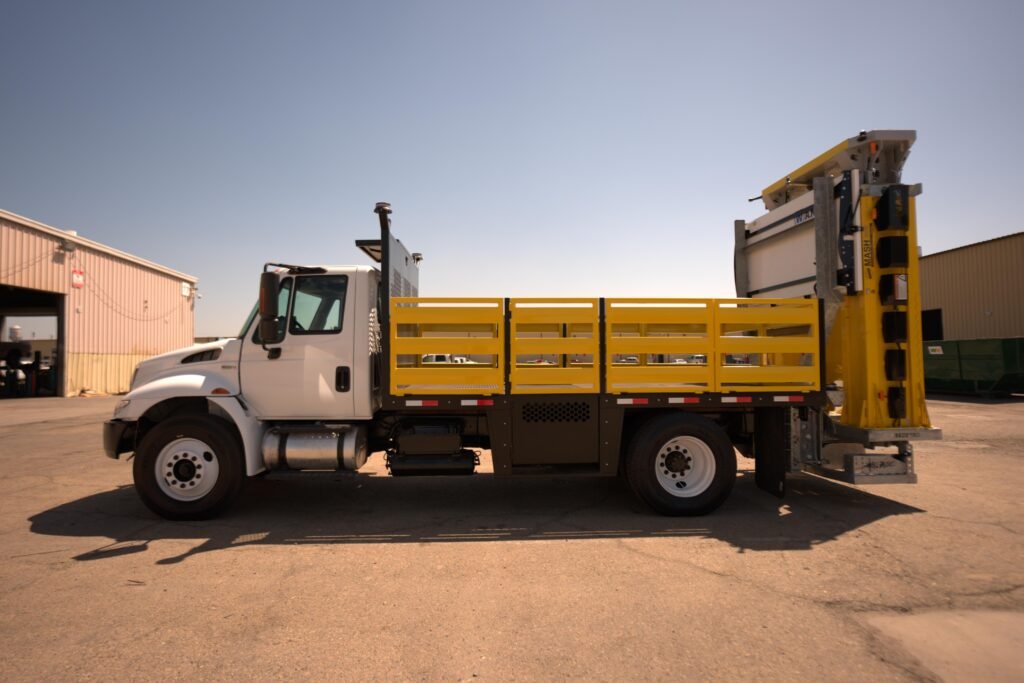
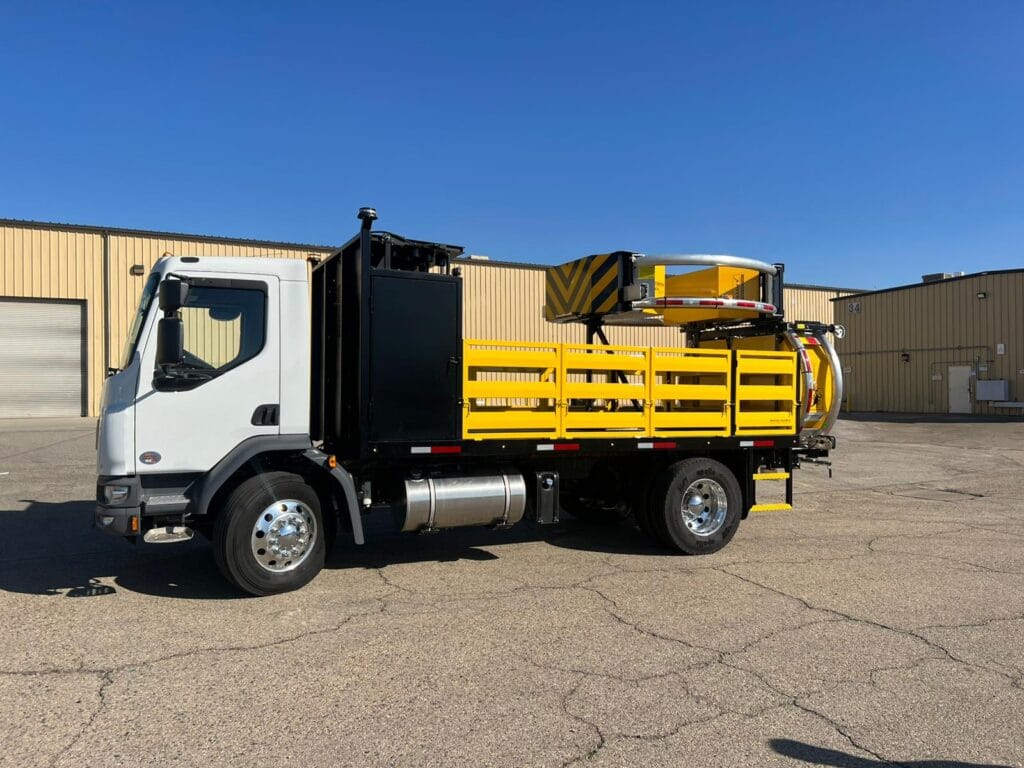
Truck-Mounted Attenuators (TMAs)
- Inspect and cover energy-absorbing cartridges to protect from moisture and UV damage
- Check hydraulic systems for leaks and proper fluid levels
- Test deployment/stow mechanisms and lubricate moving parts
- Ensure mounting bolts are secure and properly torqued
Arrow Boards and Message Boards
- Clean and test all LEDs and control systems
- Check solar panels and battery connections
- Store controllers indoors when possible
- Verify all warning lights and flash patterns work correctly
Shadow Vehicles and Support Trucks
- Check tires, brakes, and fluid levels
- Test all lighting and electrical systems
- Inspect undercarriage for rust and road salt damage
- Ensure proper weight distribution for TMAs
Step-by-Step Winterization Checklist
1. Thorough Cleaning Wash all equipment to remove road salt, dirt, and debris that can cause corrosion during storage.
2. Fluid and Lubrication Service Change hydraulic fluids if needed, top off all other fluids, and lubricate all pivot points and moving parts.
3. Electrical System Check Test batteries, charge or replace as needed, and apply dielectric grease to connections to prevent corrosion.
4. Protective Measures
- Use heavy-duty, breathable covers for TMAs and arrow boards
- Store electronics and controllers indoors
- Park vehicles on level, well-drained surfaces
5. Documentation and Inspection Perform a full pre-storage inspection and document the condition of each piece of equipment.
6. Professional Service (Recommended) Schedule a professional winterization service for complex systems like TMAs and electronic message boards.
Common Winter Damage We See and How to Prevent It
- Hydraulic Failures — Caused by moisture contamination. Regular fluid checks and proper storage prevent this.
- Battery Drain and Corrosion — Use maintainers and protect connections.
- Cartridge Degradation — Cover TMAs properly and store out of direct weather when possible.
- LED and Electronics Failure — Store sensitive components indoors and test before spring use.
Benefits of Professional Winterization
Working with Western Highways Traffic Safety for winterization provides:
- Expert inspection using specialized diagnostic tools
- Factory-authorized service for major TMA and traffic control brands
- Detailed condition reports for your records
- Preventive repairs before small issues become major problems
- Peace of mind knowing your fleet will be ready in spring
Many contractors who use our winterization service report 50–70% fewer spring startup issues and lower overall maintenance costs.
Frequently Asked Questions
When should I winterize my fleet? Ideally in late fall before major rain and colder temperatures arrive. We can create a custom schedule based on your location and usage.
How long does professional winterization take? Most fleets can be completed in 1–3 days depending on size and condition.
Do you offer storage options? We can advise on best practices and, when available, help coordinate secure storage solutions.
What if my equipment needs repairs during winterization? We provide clear recommendations and can perform necessary repairs quickly.
Is winterization really necessary in California? Yes. Even mild winters cause moisture-related damage that affects performance and compliance.
Keep Your Fleet Protected All Year
Don’t let winter weather catch your traffic safety equipment unprepared. Proper winterization protects your investment, improves safety, and ensures your fleet is ready when the next project starts.
Western Highways Traffic Safety offers professional winterization services, detailed inspections, and expert maintenance programs tailored to your fleet.
Call (559) 785-1400 or email info@westernhighwaystrafficsafety.com today to schedule winterization for your equipment.
Visit Western Highways Traffic Safety or follow us on Instagram and YouTube Shorts for maintenance tips and equipment insights.
Protect your fleet this winter — trust the traffic safety equipment experts at Western Highways Traffic Safety.