In high-speed work zones across California, every second counts when a distracted or speeding vehicle approaches a crew. Truck-Mounted Attenuators (TMAs) are the last line of defense, designed to absorb and dissipate massive kinetic energy during a rear-end collision. The ability of a TMA to safely absorb vehicle impact is what protects roadway workers and reduces the severity of crashes.
Western Highways Traffic Safety has installed and maintained hundreds of MASH TL-3 certified TMA systems. We understand the engineering, testing, and real-world performance behind effective impact absorption — and why it remains one of the most critical aspects of modern traffic control.
This article explains the science of vehicle impact absorption in TMAs, why it matters, and how properly engineered systems save lives every day on California roadways.
The Physics of Vehicle Impact
When a vehicle traveling at 70 mph strikes a stationary object, it carries enormous kinetic energy. For a typical 5,000 lb pickup truck, this energy can exceed 450 kilojoules. Without proper absorption, that energy transfers directly into the shadow vehicle or work area, often with catastrophic results.
A high-performance TMA works by converting this kinetic energy into controlled deformation through:
- Progressive crush zones in the attenuator cartridge
- Aluminum honeycomb or cellular structures that collapse in a predictable pattern
- Strong anchoring to a heavy host truck (minimum 26,000 lb GVWR for TL-3)
The goal is to bring the impacting vehicle to a controlled stop within the designed length of the TMA while minimizing forces on occupants and preventing the shadow vehicle from being pushed into the work zone.
MASH TL-3 Standards: The Benchmark for Impact Absorption
The Manual for Assessing Safety Hardware (MASH) 2016 is the current national standard. TL-3 testing requires successful performance in two critical crash tests:
- 62 mph small car impact
- 70 mph pickup truck impact
These tests evaluate structural adequacy, occupant risk (acceleration forces), and vehicle trajectory. Only TMAs that pass these rigorous tests receive FHWA acceptance letters.
Western Highways only supplies and installs MASH TL-3 compliant systems because partial or outdated protection is simply not acceptable when lives are on the line.
How Modern TMAs Achieve Superior Impact Absorption
Advanced Cartridge Design The core of any TMA is its energy-absorbing cartridge. High-performance models use:
- Multi-stage aluminum honeycomb cells
- Progressive stiffness that increases resistance as the crash progresses
- Optimized crush patterns that prevent sudden stops or vaulting
Strong Mounting Systems The TMA must remain securely attached to the host truck during impact. This requires:
- Precision-engineered mounting brackets
- Reinforced frame connections
- Correct height alignment and weight distribution
Integrated Safety Features Modern TMAs also include:
- High-visibility arrow boards and lighting
- Reliable hydraulic or electric deployment systems
- Backup manual controls
Real-World Performance and Safety Impact
Well-designed TMAs have repeatedly proven their value in real crashes:
- They reduce the risk of secondary impacts into the work zone
- They lower injury severity for the occupants of the striking vehicle
- They protect expensive construction equipment and infrastructure
Caltrans data and independent studies consistently show that properly deployed and maintained TMAs significantly improve work zone safety statistics.
Why Western Highways Traffic Safety Excels in Impact Absorption Technology
We don’t just sell TMAs — we engineer complete safety solutions:
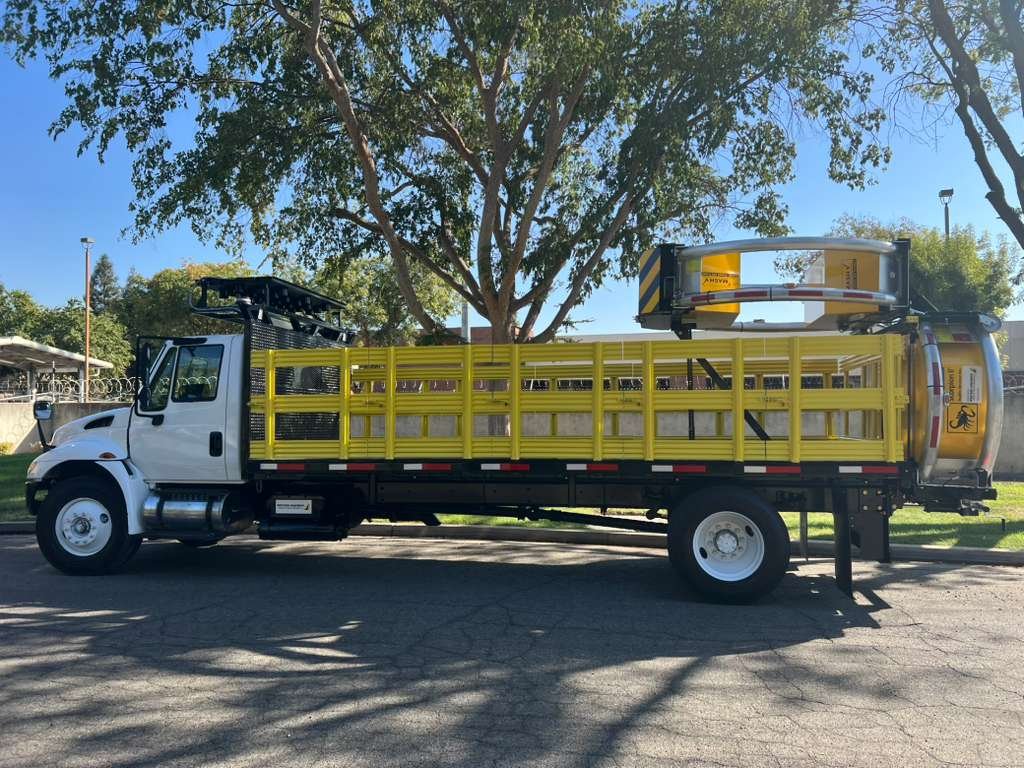
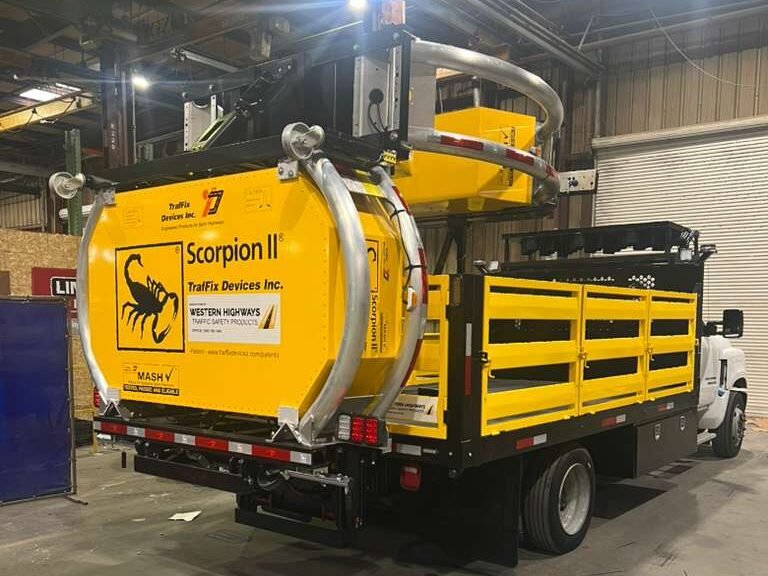
- Authorized dealer for leading MASH TL-3 systems including Verdegro and Scorpion II
- In-house installation, testing, and certification
- Regular maintenance programs to ensure consistent performance
- Expert guidance on matching TMA specifications to your specific work types
Our TMA trucks have been involved in multiple high-speed impacts. In every documented case, the attenuator performed as designed, protecting both the striking driver and our client’s crew.
Maintenance: The Key to Reliable Impact Absorption
Even the best TMA loses effectiveness without proper care. We recommend:
- Daily visual inspections of cartridges and mounting systems
- Regular testing of deployment mechanisms
- Immediate cartridge replacement after any impact
- Quarterly professional service visits
Western Highways offers comprehensive maintenance programs to keep your TMAs operating at peak performance.
Frequently Asked Questions
What is the difference between TL-2 and TL-3 TMAs? TL-3 is required for higher speed roadways (55 mph+) and provides significantly better impact absorption performance.
How often should TMAs be inspected? Daily visual checks by your crew plus professional service every 3 months minimum.
Can an older TMA be upgraded? Yes. We can often retrofit newer cartridges and mounting systems to improve performance.
What happens after a TMA is struck? The cartridge must be replaced and the unit fully inspected and re-certified before returning to service.
Do you provide rental TMAs during repairs? Yes, subject to availability. We understand how critical uptime is for your operations.
Protect Your Crew with Superior Impact Absorption
The TMA is often the only thing standing between your crew and a high-speed vehicle. Investing in properly engineered, professionally maintained TMAs with excellent impact absorption capabilities is one of the smartest safety decisions you can make.
Western Highways Traffic Safety combines advanced MASH TL-3 technology with expert installation, maintenance, and support to give you maximum protection on every job.
Call (559) 785-1400 or email info@westernhighwaystrafficsafety.com today to discuss your TMA and traffic safety equipment needs.
Visit Western Highways Traffic Safety or follow us on Instagram and YouTube Shorts for real equipment examples and safety insights.
When impact happens, make sure your protection is ready — trust Western Highways Traffic Safety for superior vehicle impact absorption.
For buyers ready to compare available equipment, review the current TMA truck inventory for current used TMA trucks, MASH certified attenuator trucks, Scorpion and Blade options, and available work-zone fleet support.