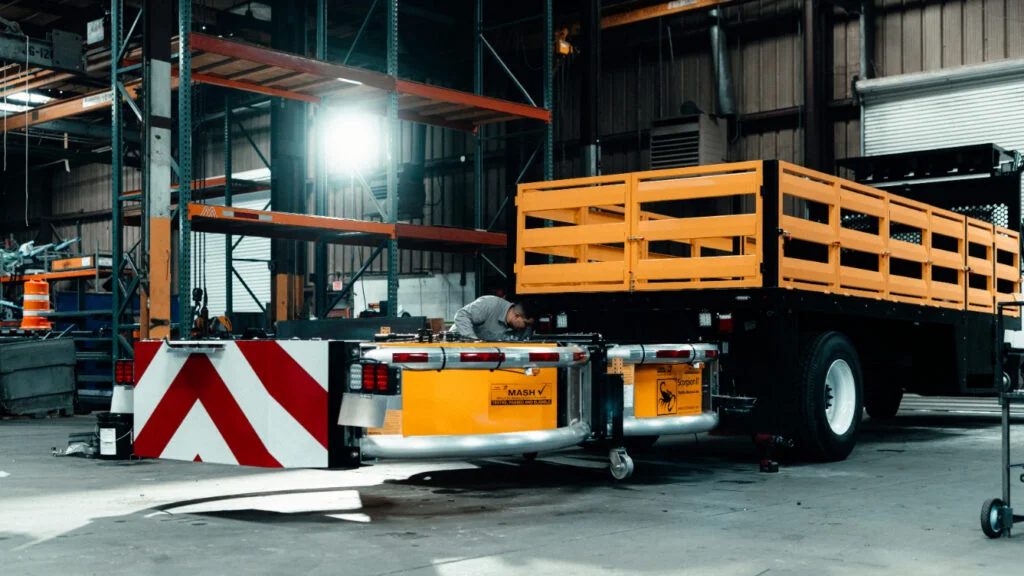
Truck-Mounted Attenuators (TMAs) are among the most expensive and critical pieces of equipment in a traffic control fleet. A single Verdegro or Scorpion II TMA truck can cost well over $80,000. When not in active use between projects, proper storage is essential to prevent costly damage, reduce downtime, and extend the service life of both the truck and the crash cushion.
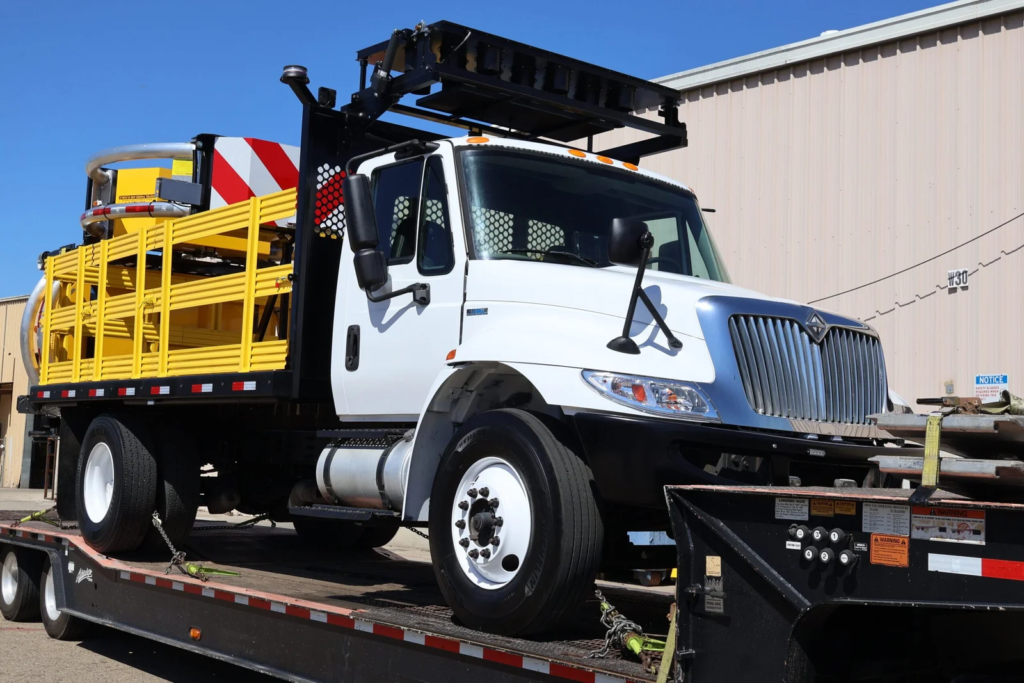
Western Highways Traffic Safety has built, upfitted, and maintained hundreds of TMA trucks for contractors across California. We know exactly what happens when TMA trucks are stored incorrectly, bent frames, degraded cartridges, failed electronics, and expensive repairs that keep trucks off the road during peak season.
This guide shares proven fleet storage tips that minimize downtime and protect your investment in high-performance TMA trucks.
1. Choose the Right Storage Location
Indoor or Covered Storage is Ideal
- Protects the TMA cartridge from UV exposure, rain, and bird droppings
- Prevents rust on mounting brackets and hydraulic components
- Keeps arrow boards and electronics out of extreme temperature swings
If outdoor storage is unavoidable:
- Park on level concrete or asphalt (never dirt or grass)
- Use heavy-duty breathable truck covers specifically designed for TMA units
- Position the truck so the TMA faces away from prevailing winds
Pro Tip: Store TMA trucks in a dedicated secured yard with good drainage to avoid standing water under the attenuator.
2. Proper Stow Position for Long-Term Storage
Always store the TMA in the fully stowed (vertical or travel) position:
- Reduces wind load and stress on the mounting structure
- Protects the energy-absorbing cartridges from accidental impact
- Prevents unauthorized deployment or tampering
For scissor-lift models, ensure the lift is fully lowered and locked with safety pins. Fixed-tilt models should be secured with transport locks.
3. Protect the Energy-Absorbing Cartridges
The aluminum honeycomb or foam cartridges are the heart of the TMA and the most expensive part to replace.
Storage best practices:
- Inspect cartridges for any dents, tears, or compression before storing
- Cover exposed cartridge faces with UV-resistant protective sheets or OEM covers
- Never store with the TMA deployed — constant pressure can cause premature settling
- Keep cartridges dry; moisture accelerates corrosion of the aluminum cells
Replace any damaged cartridges before long-term storage to avoid surprises when the truck returns to service.
4. Electrical & Lighting System Care
Arrow boards, strobes, and cameras are sensitive to prolonged inactivity.
Recommended steps:
- Disconnect the main battery or use a smart trickle charger/maintainer
- Remove and store arrow board controllers indoors if possible
- Apply dielectric grease to all exposed electrical connections
- Test all lights and the arrow board pattern before returning the truck to service
A dead battery or corroded connection can turn a simple return-to-work day into hours of troubleshooting.
5. Tire, Brake & Fluid Maintenance
Even in storage, vehicles degrade.
Monthly or quarterly checks:
- Inflate tires to the manufacturer’s recommended cold pressure + 5 PSI for storage
- Rotate tires every 3–4 months to prevent flat spots
- Engage parking brake and chock wheels
- Check and top off all fluids (engine oil, coolant, hydraulic fluid for TMA lift)
- Start the engine and let it reach operating temperature every 30–45 days
These simple steps prevent costly issues like seized brakes or gelled fuel.
6. Frame, Mounting & Undercarriage Protection
- Wash the truck thoroughly before storage to remove road salt and debris
- Apply undercoating or rust inhibitor to exposed frame rails and TMA mounting brackets
- Inspect all torque specs on TMA mounting bolts (re-torque if needed)
- Lubricate pivot points on scissor-lift or tilt mechanisms
7. Create a Fleet Storage Checklist
Western Highways recommends every contractor maintain a standardized TMA Truck Storage Checklist:
- TMA fully stowed and locked
- Cartridges covered and inspected
- Battery maintainer connected or disconnected properly
- Tires inflated and chocked
- Fluids checked and engine run monthly
- All covers and tarps secured
- Yard gate locked and truck immobilized
Document each storage event with photos and checklist sign-off. This creates a valuable maintenance history for warranty claims and resale value.
Real Results from Proper Storage Practices
Contractors who follow these tips report:
- 60–80% reduction in spring startup issues
- Cartridge life extended by 2–3 years
- Fewer emergency repairs during peak work season
- Higher resale value when upgrading fleet
One Central Valley contractor who implemented our full storage protocol went from replacing 3–4 cartridges per year to only 1 in 18 months.
Why Partner with Western Highways for TMA Fleet Management
- Authorized dealer and certified installer for Verdegro, Scorpion II, TrafFix, and Trinity
- In-house service center with full parts inventory
- Custom storage and maintenance programs tailored to your fleet size
- 24/7 emergency support for deployed units
- Financing and lease options that include maintenance packages
We don’t just sell TMA trucks — we help you keep them working profitably season after season.
Frequently Asked Questions
How long can a TMA truck be stored without issues? With proper preparation, 6–12 months is common. Beyond that, more frequent engine runs and inspections are recommended.
Should I remove the TMA during long storage? Not usually necessary. Proper stowing and covering is sufficient for most fleets.
Do you offer storage solutions or yard recommendations? Yes — we can advise on secure yard layouts and even help source commercial storage facilities in your area.
What’s the biggest mistake fleets make? Storing the TMA deployed or uncovered. This leads to cartridge degradation and expensive replacements.
How do I get a custom storage checklist for my fleet? Call us — we’ll provide one tailored to your specific TMA models.
Protect Your TMA Fleet Investment
Your TMA trucks are revenue-producing assets. Proper off-season storage is one of the smartest and least expensive ways to minimize downtime and maximize return on investment.
Implement these professional storage tips today and avoid costly surprises when the next project starts.
Call (559) 785-1400 or email info@westernhighwaystrafficsafety.com to discuss your fleet storage needs or schedule a maintenance consultation.
Visit Western Highways Traffic Safety or follow on Instagram and YouTube Shorts for real TMA storage and maintenance tips.
Keep your TMA fleet ready, reliable, and road-safe — season after season.
For buyers ready to compare available equipment, review the current TMA truck inventory for current used TMA trucks, MASH certified attenuator trucks, Scorpion and Blade options, and available work-zone fleet support.