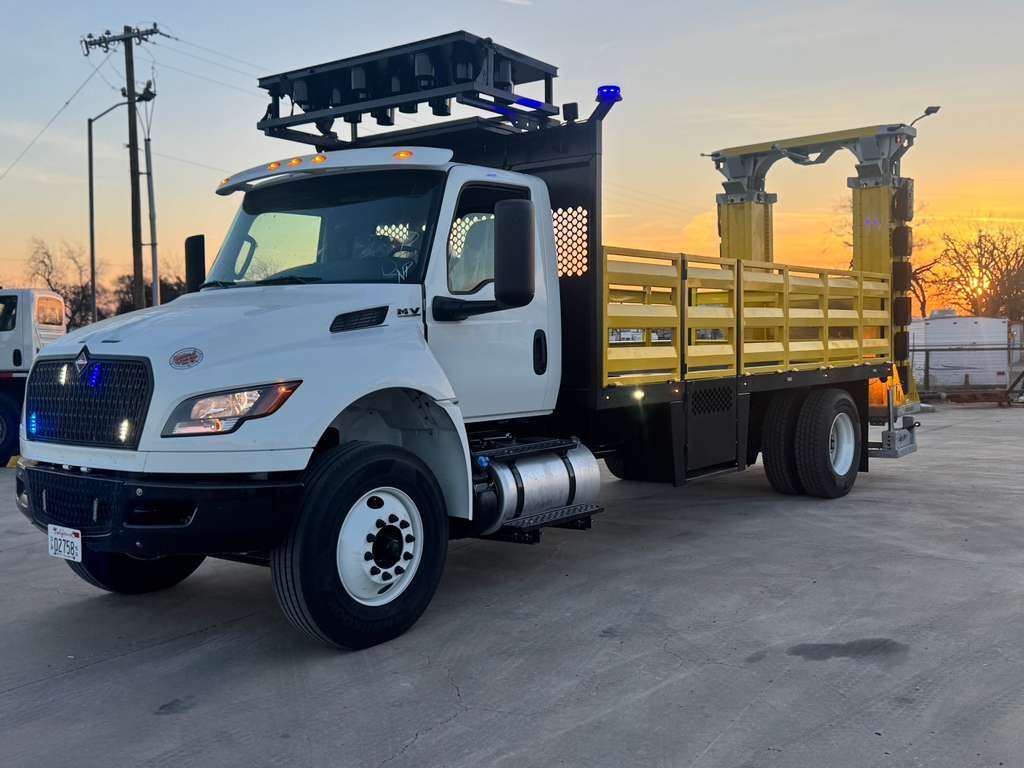
Buying a used Truck-Mounted Attenuator (TMA / shadow vehicle) can save $15,000–$45,000 compared to new, but it can also become one of the most expensive mistakes a contractor makes — hidden crash damage, expired MASH certification, worn-out cartridges, electrical failures, and non-compliant lighting can lead to red-tagged trucks, denied insurance claims, stop-work orders, or — worst case — catastrophic liability in a rear-end incident.
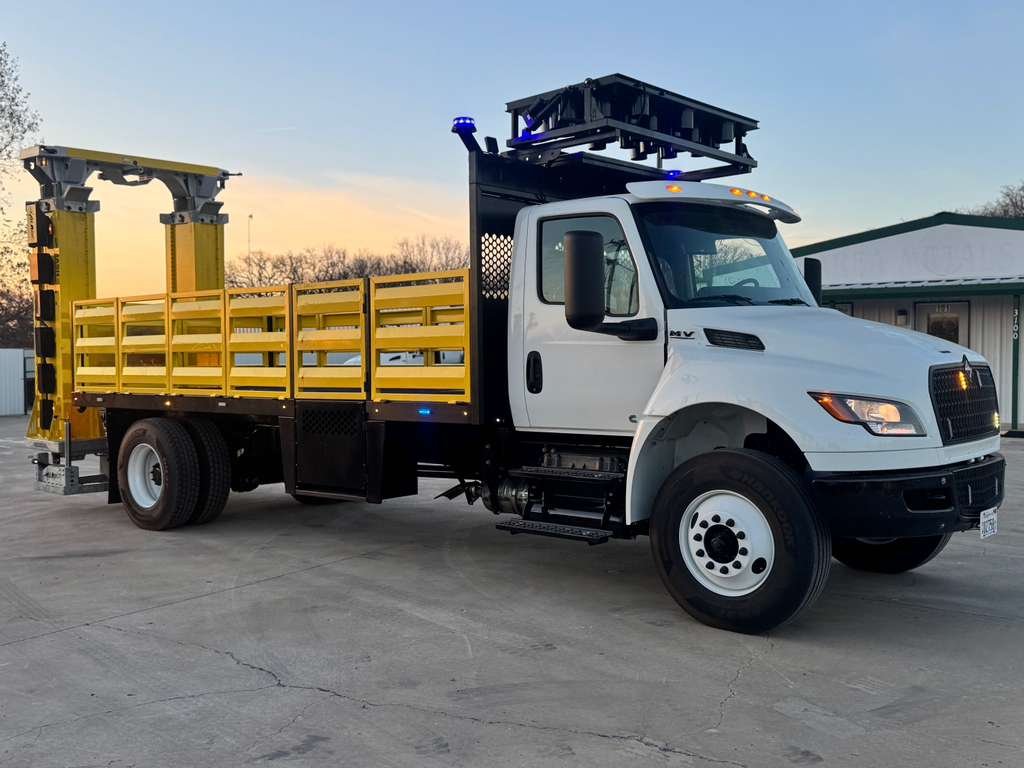
Western Highways Traffic Safety has inspected, certified, and re-sold/refurbished over 280 used TMA trucks since 2010. We know exactly which questions separate good deals from hidden disasters. This checklist is the same 18-point inspection sheet we use when evaluating trade-ins and auction units before they go back on the market.
Print it, bring it with you, and ask every seller these questions — or better yet, have us perform a third-party pre-purchase inspection (available nationwide).
Critical Pre-Purchase Questions & Checklist
1. MASH / FHWA Certification Status
- Does the TMA still carry a valid FHWA acceptance letter under MASH 2016 TL-3?
- Can you provide the original FHWA eligibility letter (not just a brochure)?
- Has the unit ever been in a documented impact crash?
- If yes → was the cartridge replaced with a new, certified one? Do you have the new certification?
Red flag: No current FHWA letter or “we’re not sure” answer = walk away. A non-certified TMA is worthless for most highway work and will be rejected by Caltrans, ADOT, TxDOT, etc.
2. Cartridge Condition & Crash History
- When was the last cartridge replacement?
- Are there any visible crush marks, bent frames, or weld repairs on the attenuator body?
- Has the cartridge been compression-tested or visually inspected since last use?
- Can you show maintenance records for the last 24 months?
What to look for: Clean, unpainted crush tubes with no buckling. Any prior impact = cartridge must be replaced (≈$3,800–$6,200 depending on model).
3. Host Truck Mechanical & Structural Integrity
- Current GVWR rating and actual scale ticket (must be ≥26,000 lbs for TL-3)
- Any frame modifications, rust, or previous wreck damage?
- Last brake, suspension, and steering inspection date?
- Current registration and DOT status?
Rule: If the truck itself is not legally roadworthy, the TMA is useless. Many used units are sold with expired registration or overweight violations.
4. Arrow Board & Message Board Condition
- Is the arrow board full-matrix Type C or D (60×30 inch minimum for most states)?
- When was the last pixel test & certification?
- Does it have auto-dimming and sequential chevron capability?
- Any dead pixels or burnt-out modules?
Quick test: Ask seller to cycle through all modes while you watch from 500+ ft at dusk. Any dimming or missing segments = major repair cost.
5. Lighting & Electrical System
- Are all four corner strobes, rear-facing work lights, and take-down lights operational?
- Is the system wired to sync with truck signals (brake, turn, hazard)?
- Battery condition and charging system (solar + alternator)?
- Any corrosion on wiring harness or connections (very common in coastal states)?
Red flag: Missing or non-syncing lights = immediate Caltrans violation.
6. Maintenance & Service History
- Full maintenance log for the last 24–36 months?
- When was the last hydraulic inspection (scissor models)?
- Last reflectivity test on signs/arrow board?
- Any outstanding recalls or service bulletins?
Ask for: Digital or paper records — no records usually means neglected maintenance.
7. Current Inspection & Certification Documents
- Latest annual TMA inspection report (if required by state)
- Current DOT / CHP BIT inspection for the truck
- Calibration certificate for radar (if equipped)
- Proof of insurance compliance (some states require specific coverage)
Pro tip: If the seller cannot produce these documents immediately — assume they don’t exist.
Quick Visual Red Flags (Check These Before Driving)
- Bent or repainted crush tubes on TMA
- Cracked or discolored arrow board lenses
- Rust/corrosion on truck frame or TMA mounting brackets
- Missing or expired inspection stickers/decals
- Non-factory welds or modifications to frame/TMA
- Dead or mismatched strobes/lights
- Oil/fluid leaks around hydraulics
- Tire wear or mismatched tires on truck
Why Contractors Trust Western Highways for Used TMA Purchases
- We physically inspect every trade-in and auction unit before resale
- Full re-certification + new cartridge option on every used truck
- Transparent 90-point inspection report with photos provided to every buyer
- 30-day money-back guarantee on certified used trucks
- Direct financing and lease options available
- Same-day parts & service from our Porterville facility
We currently have 18–25 pre-inspected, MASH-certified used TMA trucks in stock (inventory changes weekly). All come with current certification documents, fresh maintenance, and our 90-day guarantee.
Frequently Asked Questions
Can I still use a NCHRP 350 TMA? Only on low-speed (<45 mph) local projects. Most states (including California) now require MASH TL-3 for anything ≥55 mph.
How much should I pay for a used TL-3 TMA truck? 2026 market range: $38,000–$78,000 depending on truck age, mileage, TMA model, and condition.
Is it worth buying used? Yes — if properly inspected and certified. Savings of $20,000–$40,000 vs. new are real, but only if you avoid rebuilt or previously crashed units.
Do you offer financing? Yes — competitive rates and terms for qualified buyers.
How do I get a pre-purchase inspection? We inspect any unit nationwide for $750–$1,500 (credited toward purchase if you buy through us).
Don’t Buy Blind — Get It Right the First Time
A used TMA truck is only a good deal if it’s safe, legal, and reliable on Day 1. Let Western Highways Traffic Safety’s experienced team help you avoid the hidden pitfalls that turn “bargain” into “expensive lesson.”
Call (559) 785-1400 or email info@westernhighwaystrafficsafety.com for current used inventory, pricing, and a free 10-minute phone consultation.
Visit Western Highways Traffic Safety or follow on Instagram and YouTube Shorts for real inspection walkthroughs.
Your crew’s safety — and your company’s liability — depend on getting this decision right.
For buyers ready to compare available equipment, review the current TMA truck inventory for current used TMA trucks, MASH certified attenuator trucks, Scorpion and Blade options, and available work-zone fleet support.